For nearly two decades, Leed Insulation & Spray Foam has blended technical expertise, ethical business practices, and a genuine care for their employees and customers. By John Wyatt
Leed Insulation & Spray Foam: Building a Legacy with Integrity, Innovation and People First
xxxxx. xxx
xxxxx
xxxxxxxxx
xxxxxxxxxxxxxxx By xxxxxxxx
h2 - xxxx
h3 - xxxx
H1 headline
Fort Pierce, Fla., might not be the first city that comes to mind when thinking about the forefront of insulation technology, but for Michelle and Ed Richards, it’s home and headquarters to nearly two decades of expertise in thermal insulation. Owners and operators of Leed Insulation & Spray Foam, the husband-and-wife team has navigated the highs and lows of the construction industry while keeping their focus squarely on quality, people, and long-term growth.
For Ed, the path into insulation began innocuously enough: a summer job in high school back in 1979. What started as a temporary position evolved into a lifelong career spanning 47 years. Michelle, meanwhile, grew up immersed in construction through her family. Her foundation in the trades, combined with Ed’s decades of hands-on experience, has shaped a company culture rooted in skill, reliability, and professionalism. Their combined experience (22 years for Michelle, 47 for Ed, and 17 for the current iteration of their company) gives Leed Insulation a depth of knowledge that few competitors can match.
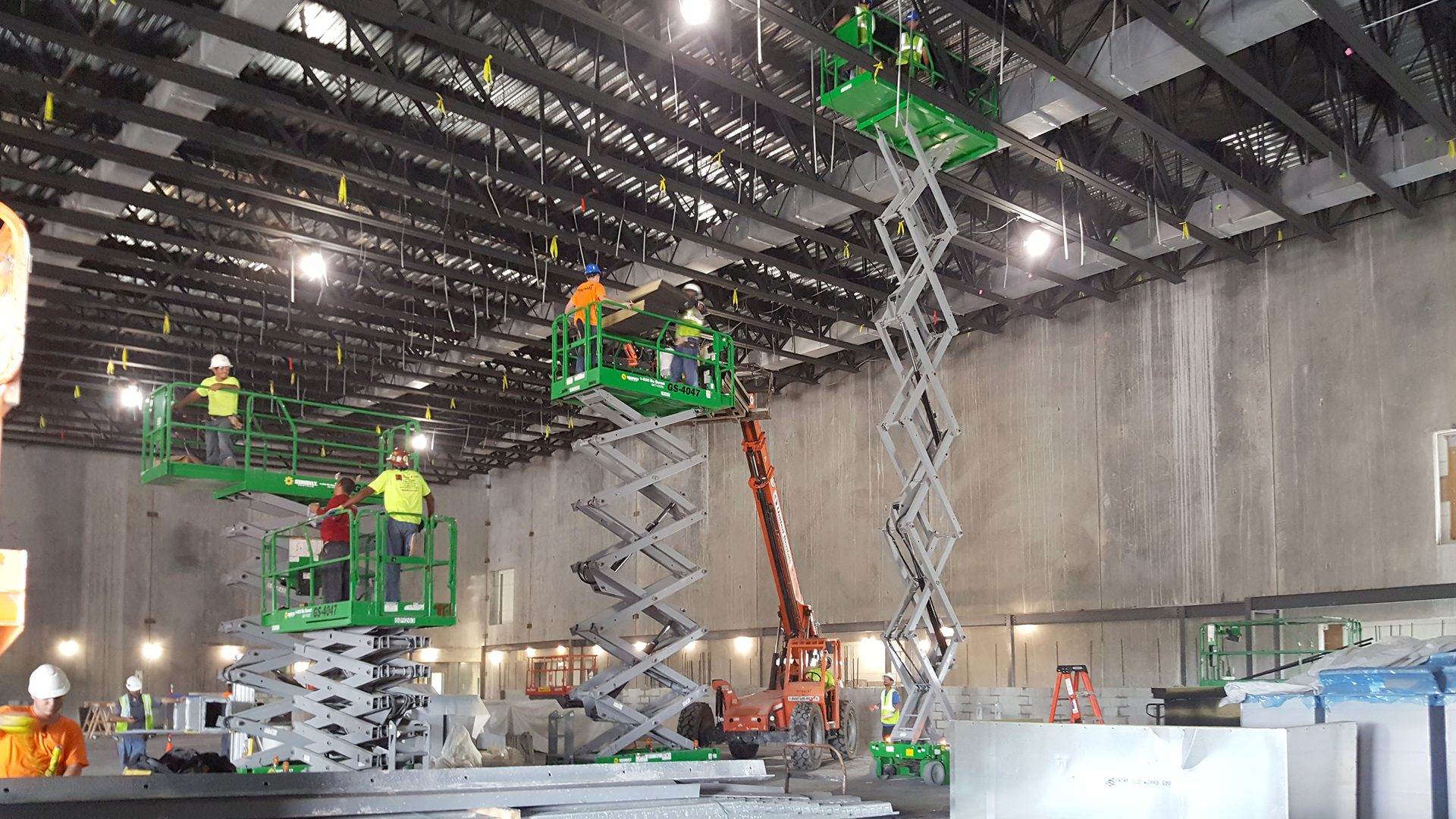
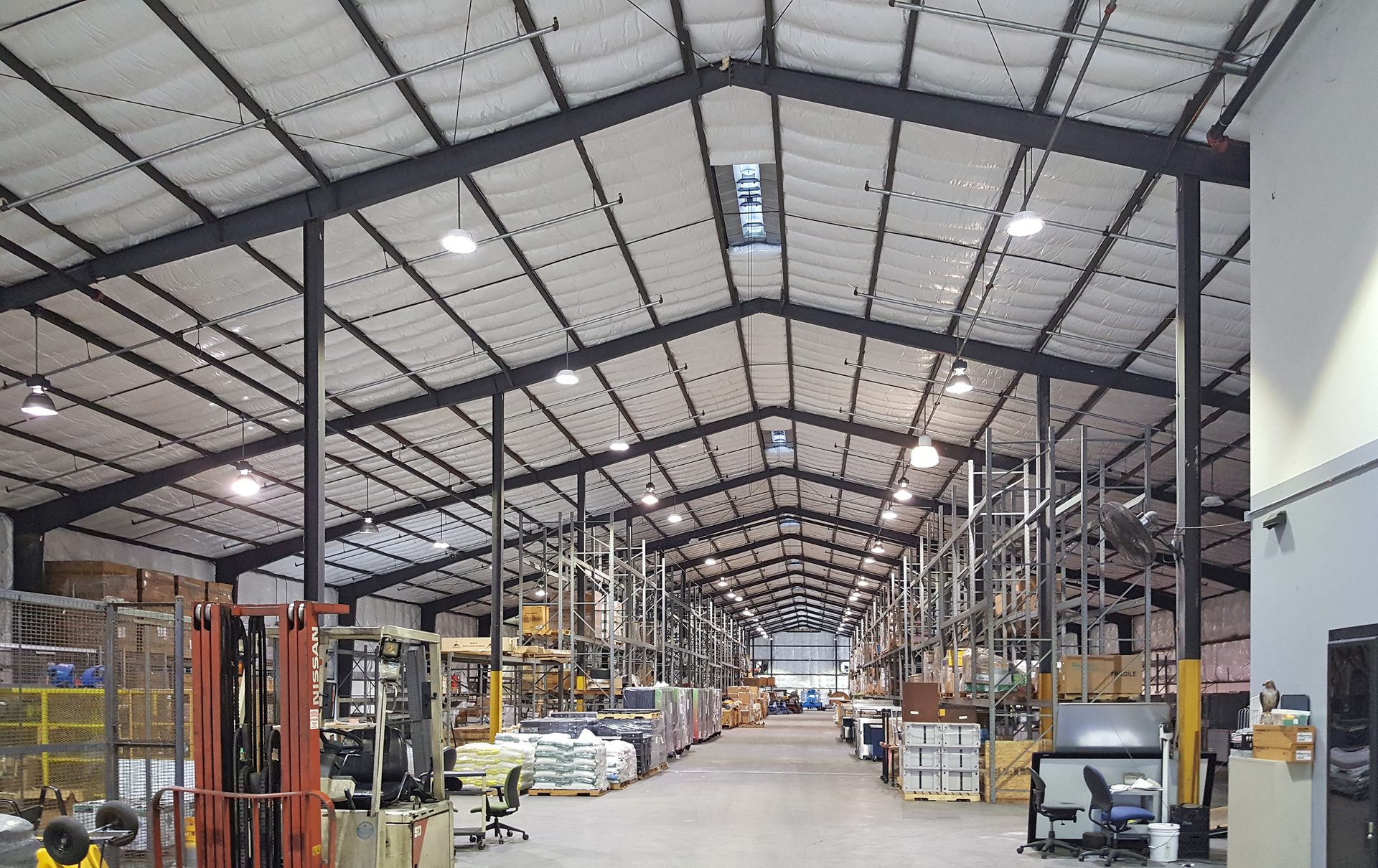
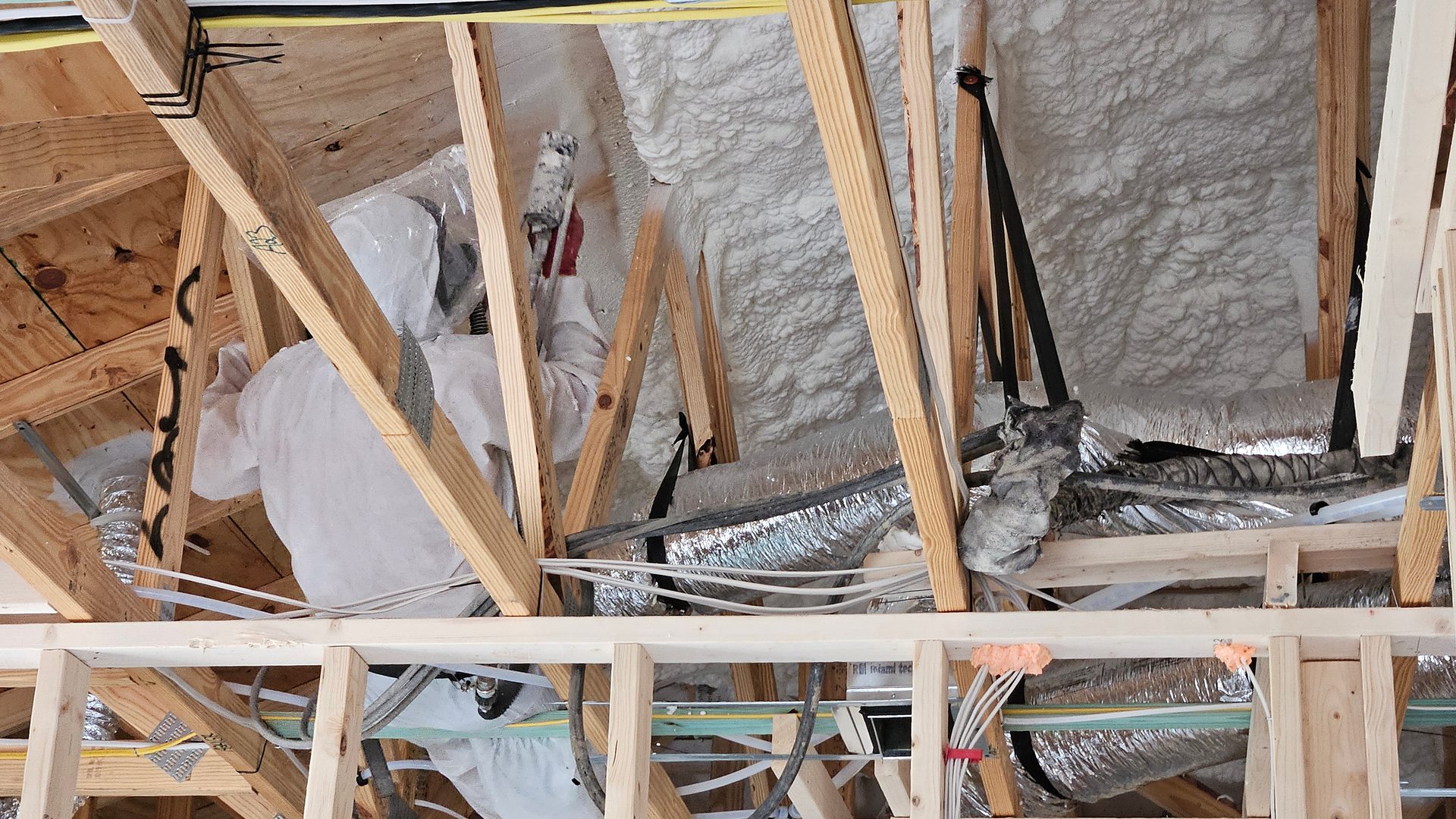
Leed Insulation specializes in a range of thermal insulation solutions: spray foam, batt, foil, blown-in, and injection foam. While traditional batt and blown-in insulation remain staples, it’s spray and injection foam that have become the company’s niche. “Spray foam and injection foam are what really set us apart,” Michelle says. “They allow us to solve complex thermal challenges for our customers that other insulation types just can’t handle.”
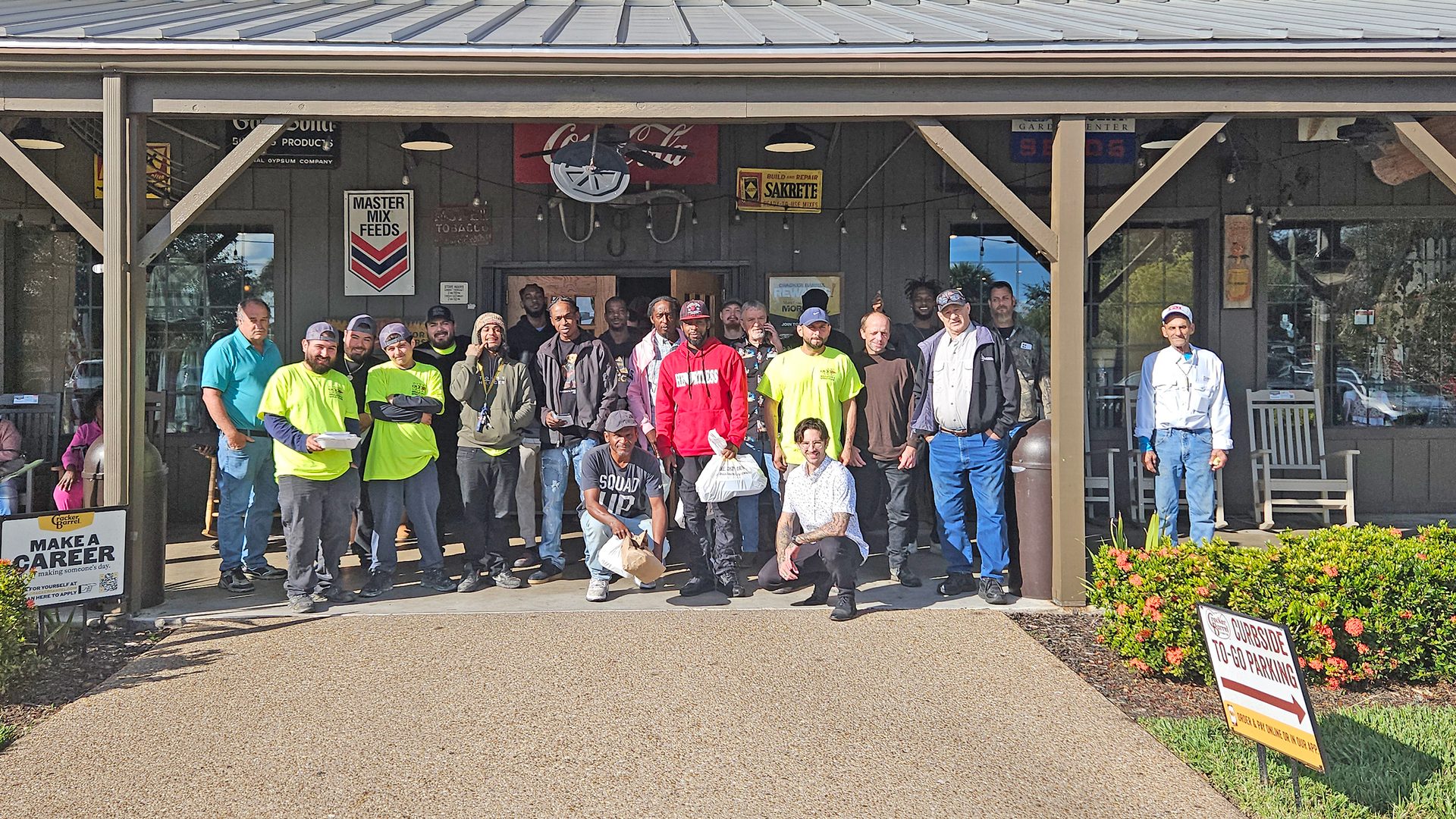
The company employs 55 people, a workforce that reflects both the scale of their operation and the personal investment the Richards have in their employees. “Our long-term goals revolve around growth but not just in terms of revenue,” Ed notes. “We want to grow the company in a way that creates better opportunities for our employees.” That commitment is evident in their approach to project execution, customer service, and employee management.
The Cycles of Business
Over the years, Leed Insulation has weathered the natural cycles of the construction market. The past two years, in particular, have presented challenges. Market prices have declined, competition has increased, and workforce dynamics have shifted. “The last couple of years have been tough,” Ed admits. “But business isn’t dead, it’s simply evolved. We’ve adjusted, diversified, and looked for new opportunities in retrofit work and the production home market.”
Adaptability, it seems, is a hallmark of the Richards’ philosophy. When others pull back during downturns, Leed Insulation looks for opportunities to zig when everyone else is zagging. This strategic mindset has allowed the company to maintain a healthy balance sheet, avoid debt, and continue investing in its people and processes. “We keep collections tight, maintain quality standards, and always put the customer’s best interest ahead of profit,” Michelle emphasizes. “That approach is what has kept us strong, even during difficult periods.”
Industry affiliation and networking have also played a critical role in their success. Both Michelle and Ed are members of multiple professional associations, including ICAA, SPFA, NICE, CEE, WII, NFIB, NAHB, FHBA, TCBA, HBCA, and the Better Business Bureau. These memberships not only provide access to emerging trends and best practices but also reflect the company’s commitment to professionalism and continuous learning.
Despite the business pressures, the Richards find inspiration in the human side of their work. “The most interesting part of the job for us is the people we meet,” Michelle says. From contractors and architects to homeowners and employees, every interaction provides insight and connection. Even the most challenging aspects, such as workforce management, are approached with a focus on fairness, ethics, and collaboration.
Smart Partners
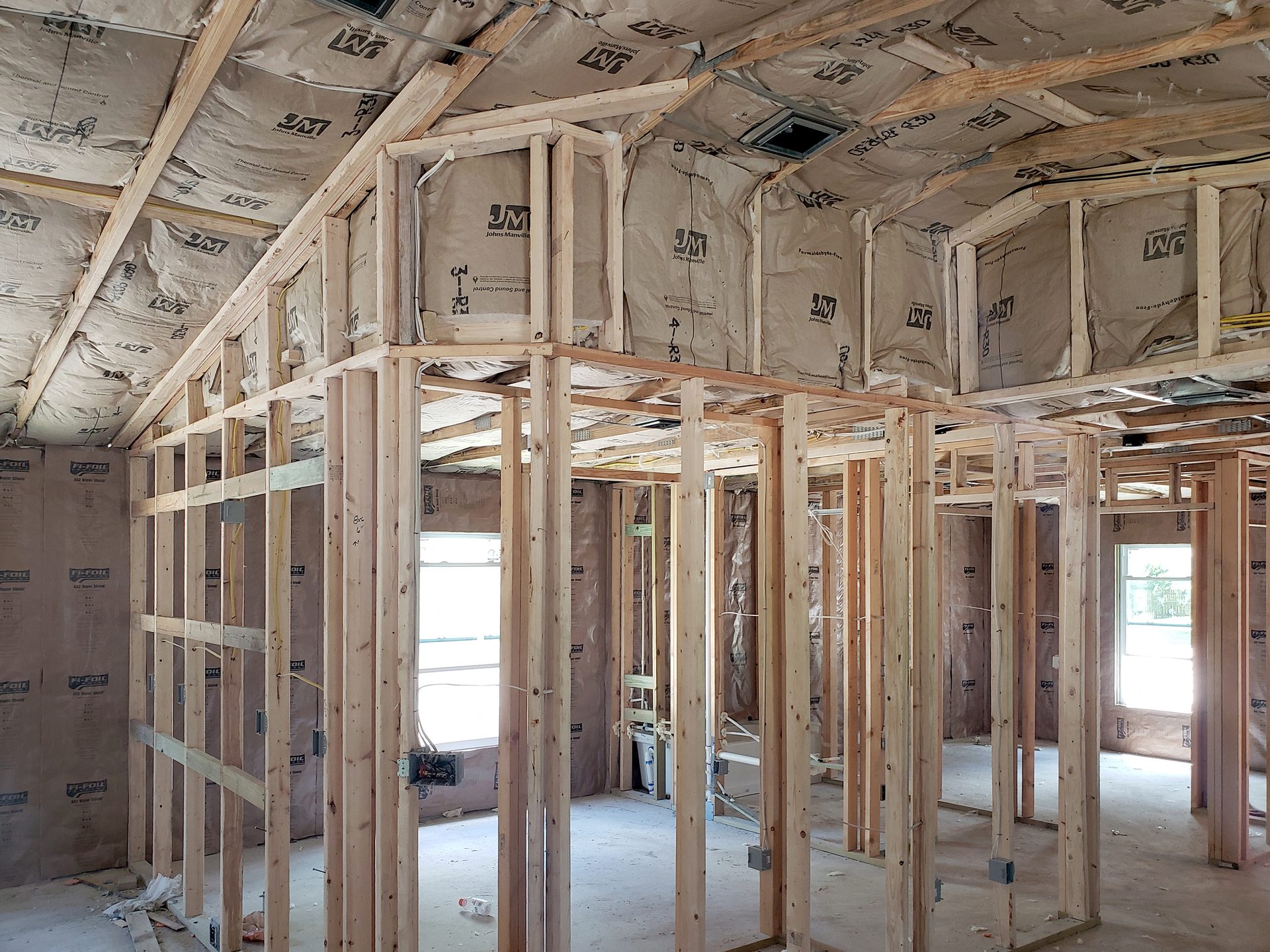
Technical excellence is, of course, non-negotiable. Leed Insulation consistently relies on manufacturers and products that deliver what they promise in real-world applications. Their top partners include Enverge Foam, Owens Corning, Johns Manville, CFI Foam, FiFoil, IDI, Cameron Ashley, and Service Partners. But as Ed points out, equipment and materials alone do not make a company great. “It’s integrity, ethics, and prioritizing the customer’s best interests that truly set us apart,” he says. “We care about quality, service, and the benefits our customers realize from our work.”
Leed Insulation’s philosophy extends to long-term planning as well. In previous downturns, some companies might hunker down, cut corners, or take on risky debt. For the Richards, strategic foresight means diversification and operational prudence. By expanding into retrofit work and production homes, the company has created new revenue streams while keeping its financial foundation solid. This careful balance between innovation and stability is a hallmark of their approach.
On a personal level, the work-life equation for Michelle and Ed is colored by family and personal passions. When they’re not on the job site or managing operations, the couple enjoys travel, glamping in their fifth wheel, watching movies, and spending time with family. Both have idiosyncratic interests: Michelle has a deep knowledge of anatomy and physiology, while Ed gravitates toward mechanical and IT systems. They share a love of The Beatles, pineapple pie, and a profound respect for literature (Michelle cites George Orwell’s 1984 as a must-read for its insights on human nature and society.)
Even small moments outside of work reflect their grounded approach to life and business. Michelle treasures Christmas for family togetherness, while Ed enjoys Florida’s cooler fall and winter months. Both express a quiet appreciation for legacy (Ed would have dinner with his late father, Michelle with her late mother) revealing the personal motivations that often underpin their professional ethos.
Looking ahead, the Richards are cautiously optimistic about the rest of 2026. After a period of slowdown, they’ve seen business begin to pick up again, suggesting the market may be stabilizing. “Things aren’t horrible,” Michelle says. “We’ve seen a little uptick over the past month or two, and that gives us hope for this year.” Their long-term vision is clear: continued growth, better opportunities for employees, and maintaining a reputation built on integrity and technical excellence.
Leed Insulation & Spray Foam is more than just a Florida insulation company; it’s a study in how a family-run operation can thrive through expertise, ethics, and strategic adaptability. In a competitive, often volatile industry, the Richards have carved out a reputation for doing things the right way: investing in people, honoring commitments, and always delivering real-world results. As they continue to grow and innovate, one thing remains certain: for Michelle and Ed Richards, insulation is not just a business—it’s a craft, a mission and a legacy.
Southern Insulation Usage
In the sunsoaked states of the South, where heat, humidity and severe weather define the climate, spray foam insulation is rapidly moving from a niche upgrade to a strategic necessity in both new construction and retrofit projects. As industry data shows, the U.S. spray foam market continues to expand, valued at roughly $750 million in 2024 and projected to exceed $1 billion by 2030, driven by builders and homeowners who recognize its superior thermal performance and long-term energy savings.
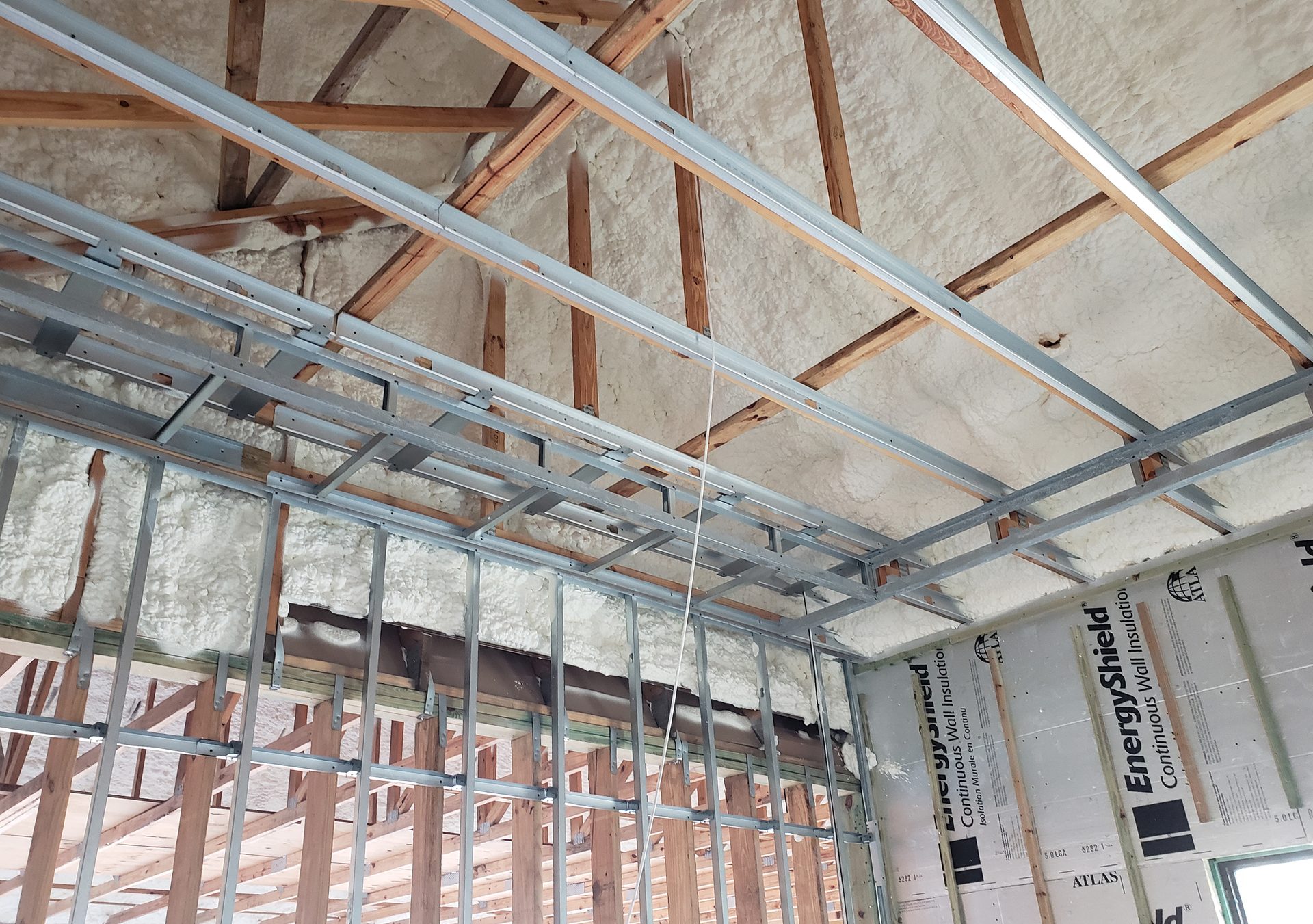
What makes spray foam especially compelling in places like Florida is the dual challenge of intense cooling loads and moisture management. Traditional insulation materials—fiberglass batts or blown-in cellulose—struggle to control air infiltration and moisture in the hot, humid Southern climate, often reducing their effectiveness over time. Spray polyurethane foam, by contrast, expands to fill gaps and creates a continuous air barrier that prevents conditioned air from escaping and outside heat and humidity from intruding. This tighter envelope can significantly reduce HVAC energy use and utility bills, sometimes by more than 30 percent, according to field reports.
Market research further underscores widespread adoption: North America accounts for a large portion of global spray foam use, with the U.S. leading due to stringent building codes, energy efficiency goals, and climate-driven demand.
In Florida and other Southern states prone to extreme weather, closed-cell spray foam’s high R-value and moisture resistance also improve structural resiliency, a key consideration during hurricane season.
For builders and contractors tackling the challenges of Southern climates, spray foam isn’t just insulation: It’s a high-performance solution that meets modern expectations for energy efficiency, comfort, and durability.