xxxxxxx. By xxxxxx
H1xgggxxxxxxxgg
H2xxxxxxxxx
How geography and architectural tradition are influencing masonry design. By Sarah Lograsso
Regional Design Trends: Leveraging the ROI of Stone Across the U.S.
xxxxxxxxxxxxxxx By xxxxxxxx
h2 - xxxx
h3 - xxxx
H1 headline
Today, homeowners, builders and designers are increasingly drawn to regionally inspired looks that complement local landscapes and architectural styles. As residential design and construction continue to evolve, there is a growing preference for homes that reflect their environment, whether by taking cues from the surrounding terrain or embracing longstanding architectural traditions. Geography, climate and regional heritage are all playing a more influential role in specification decisions, guiding everything from material selection to color palettes and key architectural details.
Manufactured stone veneer is uniquely positioned to support this shift; its versatility allows designers and homeowners to achieve the look of natural stone formations found throughout different parts of the country, performing reliably across different climates and applications. Manufactured stone veneer also provides financial benefits that make it an appealing choice for residential projects, offering a 208% return on investment according to Zonda’s 2025 Cost vs. Value Report. This combination of design flexibility and long-term value makes it a compelling option for regional designs, from the coastal textures of the Northeast to the sun-washed palettes of the Southwest.
Northeast: Historic Texture and Coastal Influence
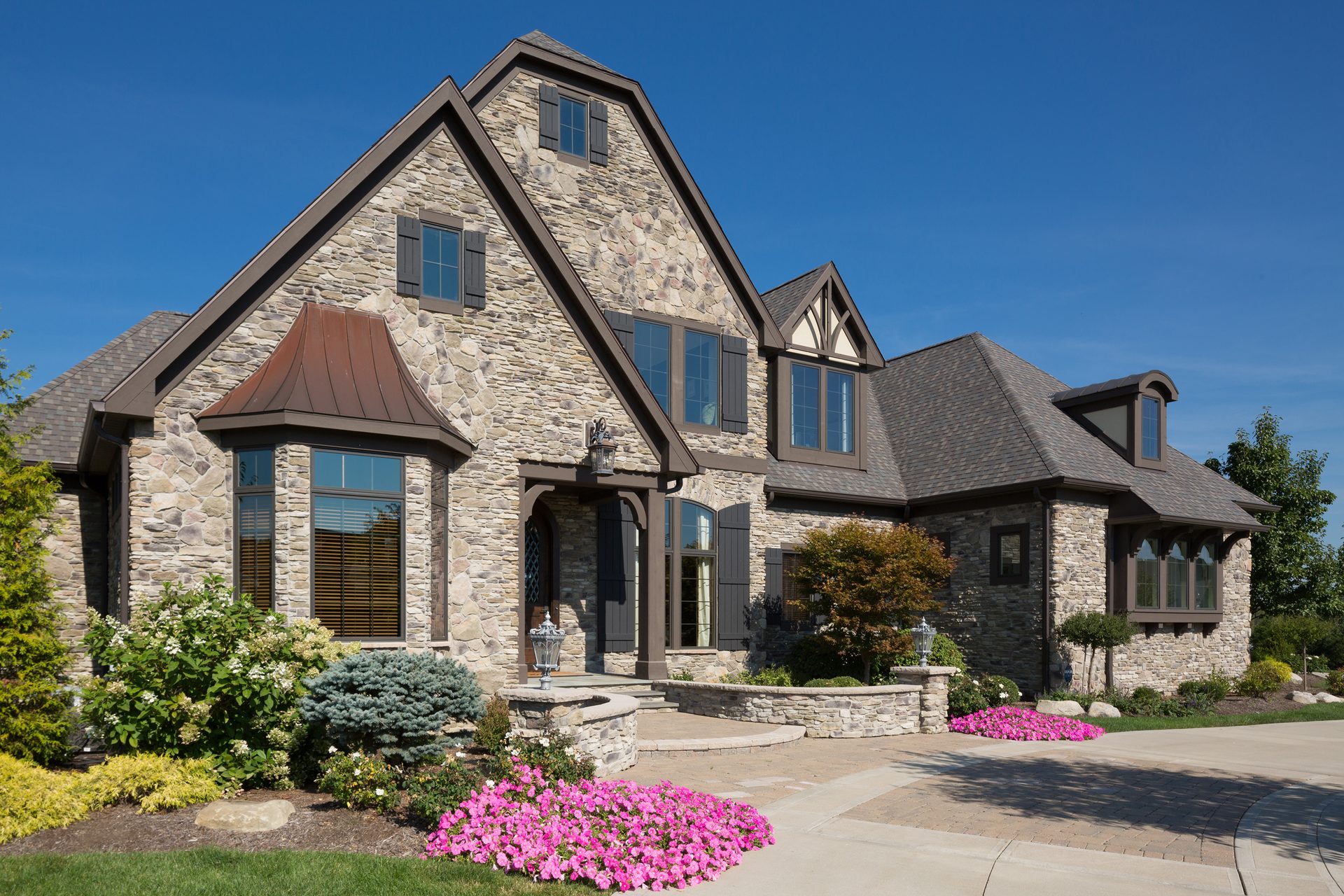
This home’s stone exterior, featuring a blend of Ledgestone in Sage and Fieldstone in Sienna from Dutch Quality Stone, evokes the historic feel of legacy Northeastern architecture.
In the Northeast, regional design trends are closely tied to coastal geography, historic architecture and a long-standing appreciation for craftsmanship. Homes in this part of the country often favor neutral color palettes and natural materials that reflect the surrounding environment. Wood and stone are frequently incorporated to add texture and depth, while finishes that appear distressed or weathered help create an antique or vintage feel. For professionals working in this region, familiarity with these influences helps ensure material selections feel authentic.
Contractors and architects can expect to encounter an increased demand for cool gray tones throughout the region, reflecting the hues of native stone and coastal landscapes. Ledgestone profiles and rugged textures are popular profile choices, echoing the historic masonry found in older homes, seaside towns and established neighborhoods. Whether used on exterior facades, entryways or interior accent walls, these weathered profiles create a visual connection to the past while still feeling relevant in contemporary settings.
Southeast: Warmth Rooted in Tradition
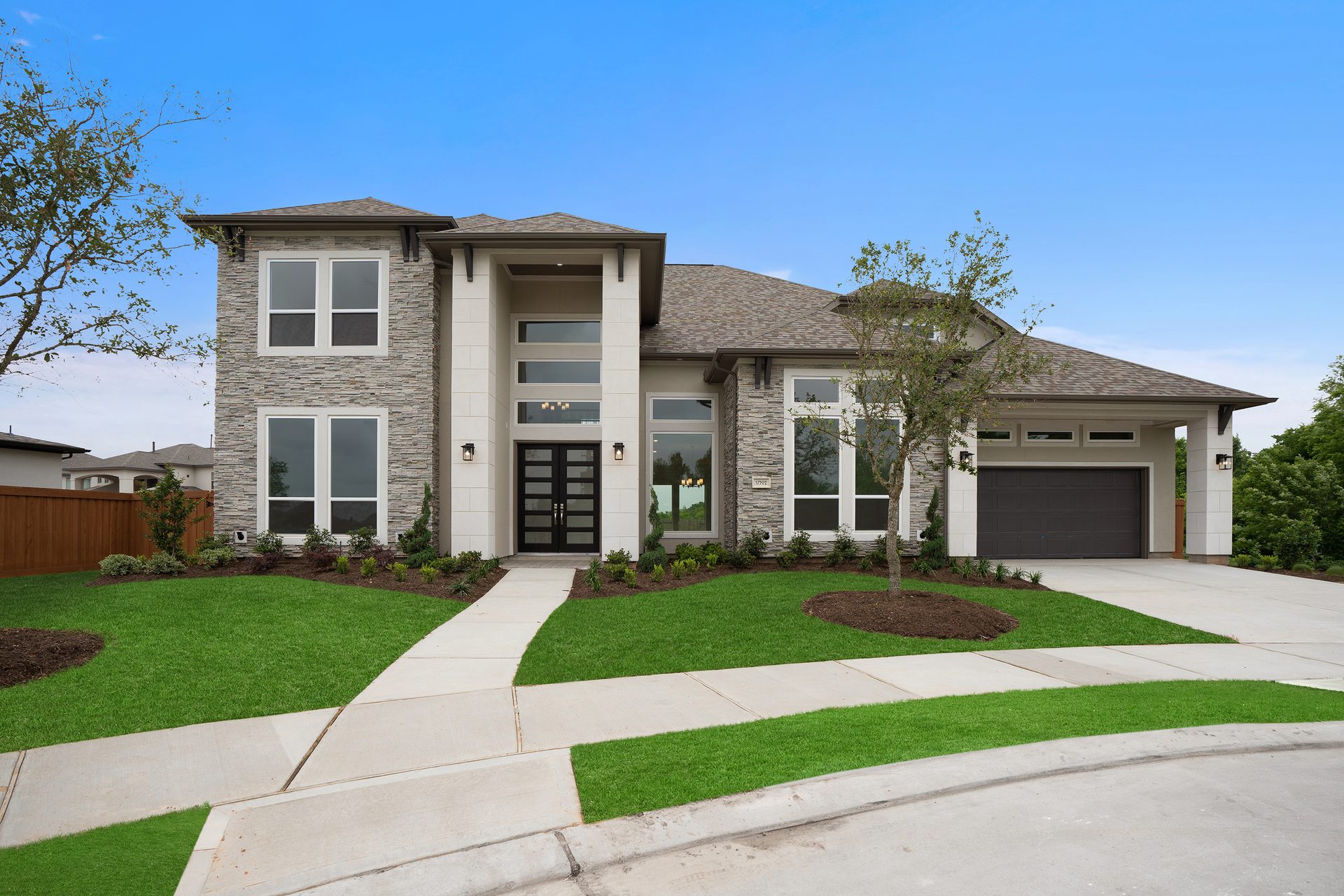
Blending stone textures with warm-toned accents, this home draws inspiration from traditional Southern aesthetics, featuring Pro-Fit Alpine Ledgestone in Echo Ridge from Cultured Stone.
In the Southeast, residential design reflects a blend of tradition and timeless charm. Southern homes are often defined by their inviting nature, where architectural details and material choices work together to create a sense of warmth and hospitality. Symmetry is a common feature, particularly on facades, lending a sense of balance and order. Porches, columns and detailed trim further enhance this classic appeal, while rich wood accents are incorporated to add depth and character.
Earthy tones dominate the Southeastern palette, reinforcing the region’s connection to nature and its temperate climate. Brick is a staple material in many Southern homes—valued for both its durability and timeless appearance—so architects often lean toward warmer earth tones and tumbled looks that complement brick blends. These profiles often feature subtle variation in color and texture, contributing to a lived-in, established feel that aligns with the region’s emphasis on tradition and craftsmanship. Recognizing how this regional heritage shapes present-day preferences is a key part of making informed design decisions for Southern homes.
Midwest: Understated Design and Natural Balance
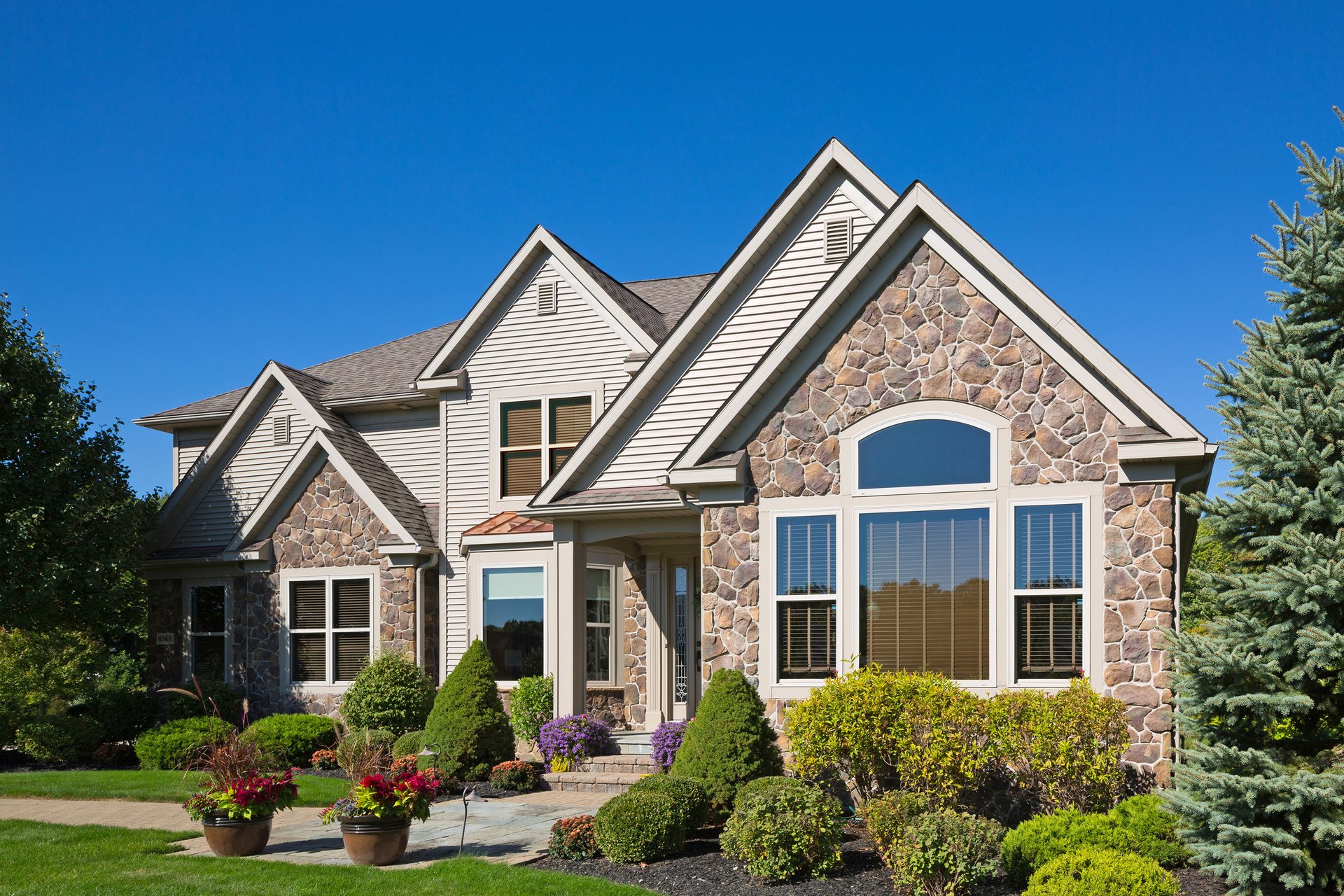
Simple yet refined, this stone facade—featuring Fieldstone in Pennsylvania from Dutch Quality Stone—evokes the warm and welcoming atmosphere of classic Midwestern homes.
In the Midwest, design sensibilities are shaped by simplicity, comfort and an appreciation for understated elegance. Decor and architectural elements frequently lean toward rustic or country influences, balanced with subtle contemporary touches. Homes in this region feature clean lines, natural materials and neutral tones that create a sense of calm and balance. Rather than ornate detailing, Midwestern design tends to focus on thoughtful material selection and personalized details that offer a feeling of relaxation. Organic textures play an important role in this approach, helping to create spaces that feel grounded and welcoming.
Popular stone selections reflect this blend; neutral or mixed-tone fieldstones are a common choice for their ability to add visual interest without overwhelming a home’s overall design. Contemporary stacked stone profiles are also popular—particularly in craftsman or transitional homes—both for exterior accents and focal points inside the home. Whether incorporated into rustic or modern designs, stone contributes to a sense of durability and permanence that aligns with Midwestern sensibilities. For industry professionals, understanding these priorities supports strategic specification decisions that emphasize longevity and practicality.
Southwest: Earthy Palettes Shaped by Landscape
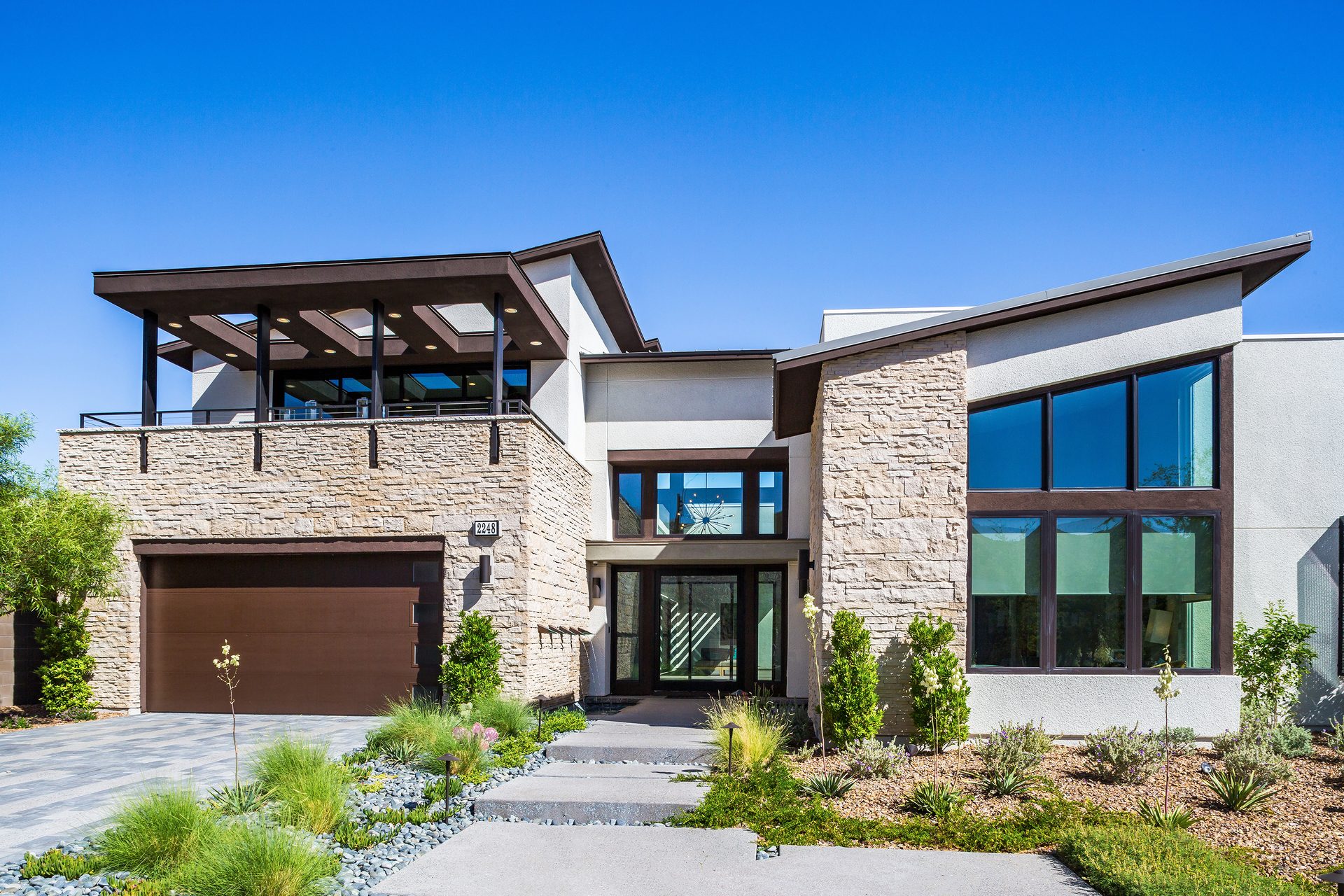
Sandy stone accents complement the distinctive angles of this Southwestern-style home, featuring a custom blend of European Ledge in Linen, LedgeCut33 in Ocean Floor and Cut Course Stone in Seashell from Eldorado Stone.
Contrary to the perception of a drab brown desert, the Southwest has a distinct design language influenced by its dramatic landscapes, cultural heritage and unique climate. Local geography lends character to design with vibrant, earthy palettes that complement the surrounding terrain, from sandy neutrals to deeper, sunbaked hues. These palettes are often paired with natural woodwork textures that contrast with rustic features like metals to create a distinctive aesthetic defined by contrast and visual depth.
Masonry in the Southwest often features lighter tones that mirror desert landscapes, helping homes feel integrated with their surroundings. Smooth or elongated profiles are common among Southwestern homes, reflecting the influence of Spanish architecture. These profiles emphasize horizontal lines and clean surfaces, contributing to a sense of openness and flow. Whether applied to exterior walls, courtyards or interior features, architects and contractors can incorporate stone as a way to reinforce regional identity in Southwestern homes, supporting designs that feel both expressive and harmonious.
West Coast: Modern Forms with a Relaxed Sensibility
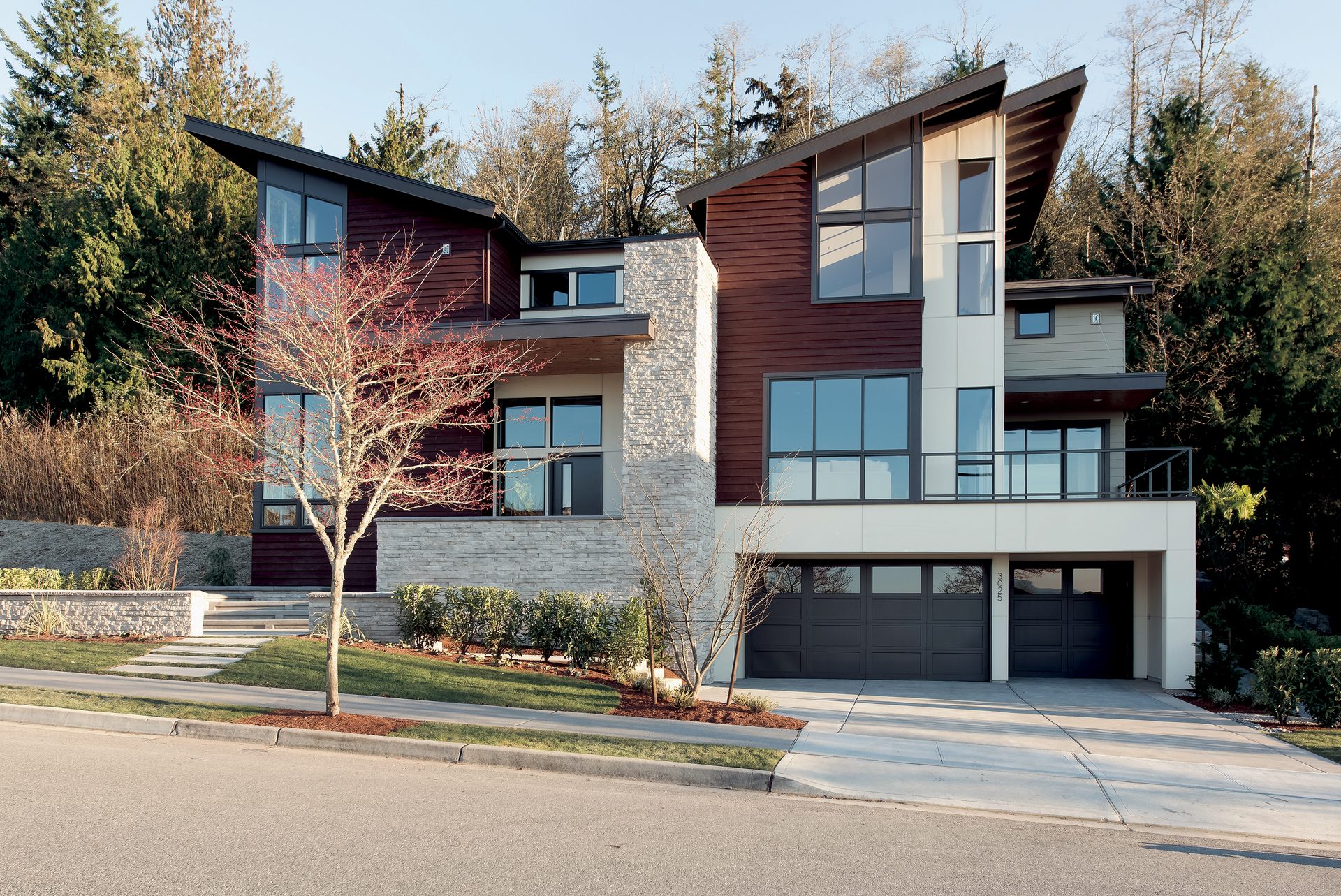
Modern yet welcoming, this contemporary West Coast-style home features a custom blend of three Eldorado Stone colors: European Ledge in Cottonwood, and LedgeCut33 in Birch and Sage.
Along the West Coast, residential design reflects a wide range of influences shaped by diverse climates, urban environments and coastal inspiration. Architecture in this region often leans toward modernism, with an emphasis on clean lines, open floor plans and a casual, relaxed aesthetic. Many homes are designed to blur the boundaries between indoor and outdoor spaces, promoting seamless flow between interiors and exteriors. Staying attuned to these overarching trends helps to ensure that design choices remain relevant across a variety of West Coast markets.
In contrast to the warmer neutrals found inland, color palettes along the West Coast tend toward cooler tones inspired by coastal settings. Soft grays, greiges and muted ocean-like tones are common, providing a tranquil backdrop for organic materials such as wood and natural textiles. Profile selections are modern and linear, with pronounced shapes that emphasize simplicity and structure. Whether used in coastal homes or urban residences, these stone styles help to reinforce the West Coast’s signature balance of sophistication and ease.
Across all regions, the growing emphasis on regionally-inspired design reflects a broader shift toward homes that feel intentional and connected to their environments. Homeowners, builders and designers are drawing inspiration from local landscapes, climates and architectural traditions, creating homes that feel personal and authentic while prioritizing design longevity. For industry professionals, recognizing how geography, climate and heritage influence design trends is crucial to making informed specification decisions that balance aesthetics, performance and long-term value.
Manufactured stone veneer supports this approach by offering the flexibility to reflect regional traditions while meeting modern expectations for value and performance. Its ability to adapt to different aesthetics, combined with its strong return on investment, makes it a valuable material choice in residential projects across the country. As regional influences continue to shape building and design decisions, materials that balance aesthetic expression with practical benefits remain central to creating the next generation of homes.
Images courtesy of Westlake Royal Building Products.
Sarah Lograsso is the director of marketing and Product Management for Stone and Roofing at Westlake Royal Building Products. In this role, she couples her design talents with business acumen to continually refresh, refine and distinctly position multiple brands in the North American market. Leveraging over 18 years of industry experience, Sarah’s strategic approach to marketing and product management has amplified brand visibility and fueled growth, affirming Westlake as a market leader.