Trade News
EIMA Honors Jimmy Carter
The EIFS Industry Members Association honors the longstanding service and efforts of late President Jimmy Carter—especially with respect to energy policy.
“Not only did President Carter advocate for the use of clean coal and safeguarded atomic energy in the aftermath of the energy crisis, but his administration—along with the U.S. Congress—established the U.S. Department of Energy as we know it today,” said EIMA executive director Stephen Sears. “Interestingly, much of the vision of this energy policy, articulated almost 50 years ago, is being actualized right now. One example of this is the move towards cleaner, more sustainable building materials in $160 million in grants from the U.S. Environmental Protection Agency that were established by the Inflation Reduction Act.”
Armstrong’s Ceilings Recycling Program Celebrates 25 Years of Circularity
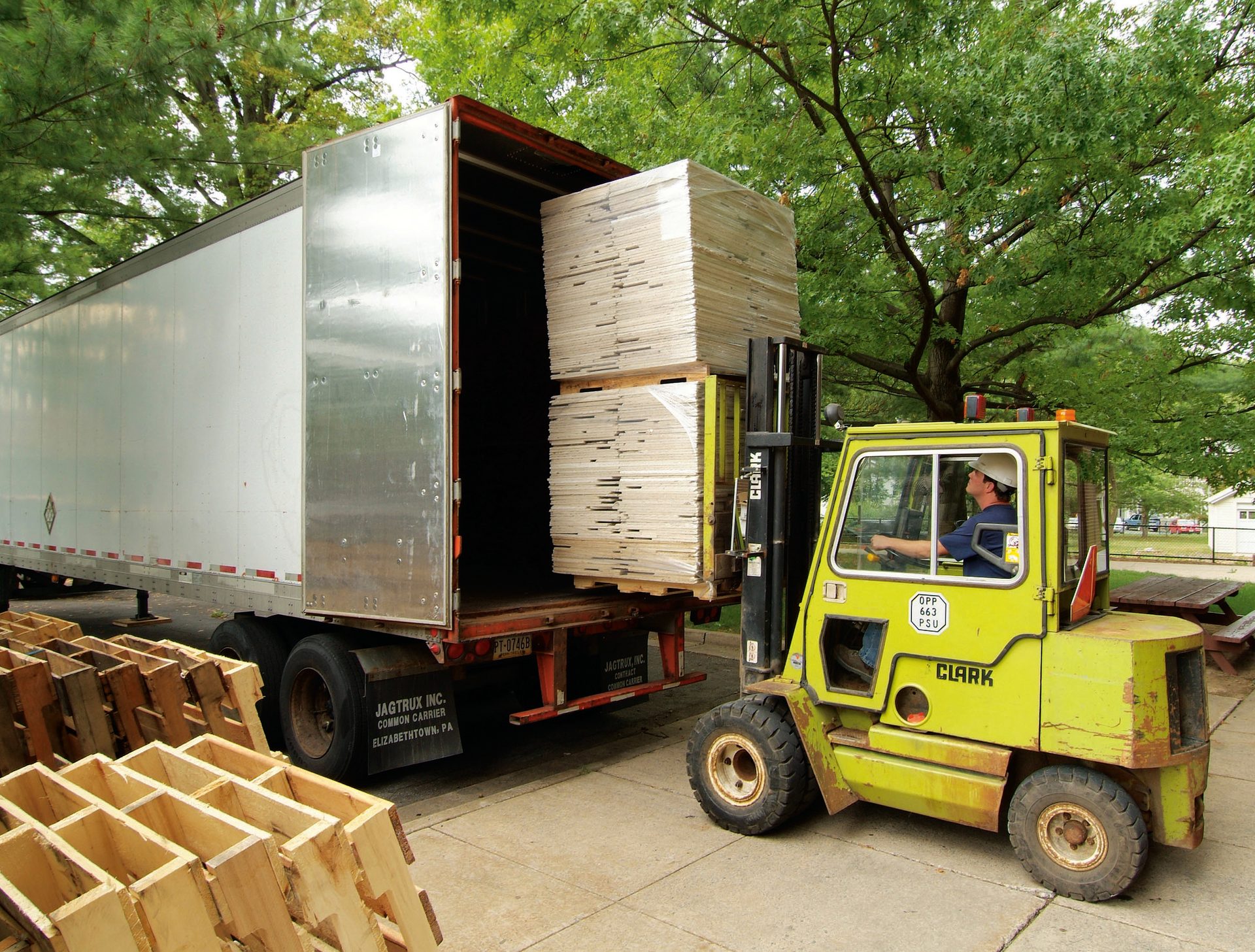
Armstrong’s ceilings recycling program, the nation’s first and longest-running ceilings recycling program, is celebrating 25 years of providing a responsible end-of-life solution for ceilings and reducing construction waste on commercial renovation projects.
Over the last quarter of a century, the ceilings recycling program, which was launched in 1999, has diverted more than 217 million square feet of discarded ceiling panels away from landfills, reclaiming enough material to fill Central Park more than six times over.
By offering a responsible end-of-life solution for many ceiling products, Armstrong World Industries has eliminated waste, lessened its impact on the environment and reduced the environmental footprint of the ceilings industry overall.
As a leader in the building products industry, Armstrong has a significant opportunity—and responsibility—to address the global challenges of climate change and to work to meet 2030 goals. The ceilings recycling program is one of many ways to contribute to circular solutions and reduce carbon emissions.
Meeting Waste Diversion Goals
Through its ceilings recycling program, Armstrong supports commercial building owners and contractors in reducing construction waste on renovation projects. In addition to helping projects meet waste diversion goals, the program enables savings on container costs and landfill fees. Visit the Diversion Savings Calculator to learn more.
The ceilings recycling program team transports discarded ceiling panels from commercial renovation projects to nearby Armstrong facilities, where they are upcycled into new ceiling panels in a closed-loop manufacturing process.
Supporting Circularity
Using the old panels as a recycling stream for new ceilings enables Armstrong to lower the embodied carbon of new ceilings and provide its customers with a circular solution to their waste management goals.
“Armstrong has always been an innovative company, a commitment demonstrated by our starting the industry’s first ceilings recycling program 25 years ago,” said Kelsey Herring, director of sustainability at Armstrong. “As impacts of climate change intensify and the global waste problem worsens, we are proud of the strength and growth of the program, as it helps companies fulfill a critical responsibility to adopt more sustainable systems of production, reuse and recycling. The ceilings recycling program is the centerpiece of our circular economy effort at Armstrong and supports the circularity goals of our customers as well.”
Sustainability and Customer Service
For projects in pursuit of LEED v4, the program is approved and contributes to credits for reducing construction waste. In addition, replacing the old panels with ceilings made with higher levels of recycled content can contribute to LEED v4 Materials and Resources credits and help create healthier, more sustainable spaces.
The Armstrong ceilings recycling program circularity coordinator offers customer support throughout the process, from registration to transportation to procuring new high-recycled-content ceiling solutions. For more information and to get started registering a renovation project for recycling, visit the ceilings recycling program’s website.
Knight Wall Systems Appoints New Representation in Three States
Knight Wall Systems announced the appointment of Roofing & Exterior Products Services as its new manufacturer’s rep group for Indiana, Michigan and Kentucky.
Led by Bill Spencer, REPS will provide sales representation for Knight’s entire line of award-winning rainscreen attachment solutions, including its flagship CI System, MFI System and ThermaZee products.
“Bill and his team have extensive experience in the building envelope industry, with a history in the business that goes back more than 35 years,” said Travis Cacciatori, Knight national sales manager. “Their knowledge and contacts will be invaluable to us, and Knight’s industry-leading attachment systems should complement their already-robust product offering.”
REPS and its team of professionals represent several of the major commercial roofing, continuous building insulation, exterior products, rainscreen assembly, concrete and waterproofing manufacturers in the nation. Its roofing, exterior, insulation and waterproofing divisions work seamlessly together to help create a complete building envelope. REPS is a proud member of the Rainscreen Association in North America, International Institute of Building Enclosure Consultants, Building Enclosure Council, Construction Specifications Institute, International Concrete Repair Institute, Inc.’s Pittsburgh chapter and DesignOhio.
“The Knight Wall products are best-in-class, and our exterior division is excited for the mutual growth of our companies,” Spencer said.

ANSI Updates for Automatic Doors: Know What the Inspectors Know
If you own or manage a building with automatic doors, you’re likely aware that the ANSI standards cover requirements for their safe operation and required signage. The American Association of Automatic Door Manufacturers has a dedicated certification program to ensure that industry inspectors and technicians are up to date on the latest standards.
The AAADM’s Certification Committee recently created a quiz to accompany this year’s changes to the ANSI/BHMA standards for automatic doors, and that quiz is now available to the public. The AAADM is inviting facility owners, managers and operators, as well as building architects and contractors, to learn the subtle changes in the standards and then take the quick, seven-question quiz. These updates, along with the quiz, were already sent to all AAADM Certified Inspectors to keep them informed.
At the beginning of the quiz, there is a recap of the changes for individuals to use during their quiz, which is informational and voluntary.
The changes are minor, mostly to add clarity to a few definitions and some performance requirements, as well as improve some of the illustrations in the appendix.
In Section 1.5 (Tolerances), linear dimension tolerance has increased from +/- 1/16-inch to +/- 1/8-inch. In Section 6 (Guide Rails), the “exceptions” for guide rails have been revised and moved to the end of the swing section to provide a smoother flow of the section, and they include a better description for when longer rails are required. Sections covering door-mounted presence sensors for swing doors have updated the maximum inactive zone from the face of the door, changed from 5 inches to 8 inches.
There have also been changes to sections covering knowing act devices, specifically non-contact wave plates, breakout requirements for emergencies and changes to appropriate signage.
ICAA Pleads for Congress to Protect the 25C Home Improvement Tax Credit
In 2022, the insulation industry worked tirelessly to secure critical improvements to the 25C energy-efficient home improvement tax credit. Thanks to these efforts, the industry succeeded in extending the credit for 10 years, significantly increasing its value and ensuring that it can be utilized by taxpayers annually.
These hard-fought gains are now at risk, said the ICAA. The incoming Congress plans to pass a $5 trillion tax bill, and the tax writers are looking for ways to partially pay for its cost. The 25C tax credit is on that list for elimination.
If the insulation industry wants the improved 25C tax credit to remain in effect for the next seven years, it must let Congress know that it strongly supports the credit and opposes its elimination.
Visit this link https://docs.google.com/forms/d/e/1FAIpQLSdYfJHRze4bg0SlhANbCggXih6194_FmhAEgZ41D6OAgEePLQ/viewform to sign an industry letter to the Congressional tax-writing committees showing support for the 25C tax credit.
Report from USGBC Details Data on Decades of Impact
The U.S. Green Building Council released its USGBC Impact Report, a comprehensive review of three decades of progress toward transforming the built environment to support a sustainable future. Released amid mounting calls for global climate action, the report highlights the USGBC’s role in establishing green building standards and mobilizing a global community. The report notes that LEED-certified projects across all certification levels are designed to save more than 120 million metric tons of CO2 emissions.
Additional highlights include:
- Over 195,000 LEED projects in 186 counties
- Twenty-nine billion total square feet of LEED-certified space
- More than 547,000 LEED-certified residential units
- More than 330 LEED-certified cities and communities
- Five thousand certified schools, impacting eight million students
- Five thousand, three hundred USGBC member-organizations
The USGBC Impact Report demonstrates the significant role that green building practices play in achieving global sustainability goals. Since the introduction of the LEED green-rating system in 1998, LEED has become the global standard for buildings, providing a framework for creating high-performing, healthy and resilient spaces. LEED-certified buildings typically consume 25 percent less energy, reduce carbon emissions by 34 percent and use 11 percent less water.
“The impact of our community extends beyond buildings,” said Peter Templeton, president and CEO of the U.S. Green Building Council. “Our global community has shaped policy, shifted markets toward sustainable and healthy materials, inspired generations of professionals and proven that the built environment can be a leading contributor to a better future for all.”
LEED’s framework has adapted over the years to meet the diverse needs of building projects across sectors. Through LEED and other USGBC programs, green building practices now extend across homes, schools, skyscrapers and more, reshaping industry standards and influencing building codes to foster sustainable development.
LEED has established green buildings as a global priority, as well as driven innovation and influenced the way buildings are designed, constructed and operated. LEED has influenced building products and construction practices, making many more sustainable products and practices commonplace, showcasing the transformation occurring across the industry.
Additionally, the evolution of LEED reflects the USGBC community’s commitment to addressing the diverse needs of sustainable building projects and has expanded to include specialized programs that address the unique characteristics of different building types and sectors. From new construction to existing buildings, neighborhoods and entire cities, these targeted LEED programs ensure that every aspect of the built environment can meet high standards of sustainability.
The USGBC has also equipped building and real estate industry professionals with the knowledge and skills needed to drive positive change through courses, events, and guidance on best practices, new technologies, tools and innovations. Over its three decades, the USGBC has fostered a global community of green building professionals through education, credentialing, events and volunteer opportunities. With over 205,000 credential-holders worldwide, this network drives industry transformation by connecting experts to opportunities to advance sustainable practices and innovations.
“The green building community encompasses member-organizations of all sizes and sectors, from large corporations to small businesses to local governments and research institutions,” Templeton added. “Each organization plays a pivotal role in advancing our vision of a world where buildings operate in harmony with the environment.”
The USGBC’s Strategic Plan builds on the progress of the past 30 years, with a focus on expanding the green building community, accelerating the role of buildings in decarbonizing economies, and fostering equitable, healthy and resilient communities. In 2025, the USGBC will launch LEED v5, aligning building decarbonization actions with the urgency of the 2030 and 2050 Paris Agreement targets and addressing critical imperatives related to human health, resilience, biodiversity and equity.
The USGBC also recently launched PERFORM, a program designed to help organizations advance sustainability across their real estate portfolios, ensuring that every building—regardless of type or starting point—contributes to achieving organizational performance goals. PERFORM provides a needed solution for companies with climate goals, helping them track and benchmark progress effectively.
“Collectively, we have so much to be proud of as a green building community, but the challenges before us are more evident than ever before,” said Sarah Zaleski, chief products officer for the USGBC. “Bringing evolving solutions, like PERFORM and LEED v5, to projects and organizations of all sizes around the world will enable us to accelerate the next phase of progress as a community.”
The USGBC Impact Report, which was released during the Greenbuild International Conference and Expo, provides a comprehensive look at these findings.
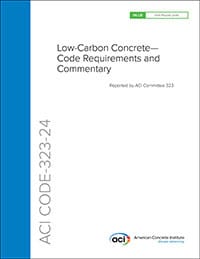
ACI Publishes Code Requirements for Low-Carbon Concrete
The American Concrete Institute, through the work of ACI Committee 323, has released ACI CODE-323: Low-Carbon Concrete—Code Requirements and Commentary. The code provides provisions for concrete where reduced global warming potential is required. The code was developed by a consensus process and provides commentary, along with references for the user desiring to study individual questions in greater detail.
The code may be adopted as a standalone code or can be used in combination with a structural design code or low-carbon material code adopted by an authority having jurisdiction. The code is in a format that allows reference to a set of chapters, based on the structure type. Adoption would include all of chapters 1 to 4 and the applicable chapter(s) of 5, 6, 7 and/or 8, plus Appendix A. The code is written in a format that allows reference without change to its language. Therefore, background details or suggestions for carrying out the requirements or intent of the code provisions cannot be included with the code itself. The commentary is provided for this purpose.
The code employs a carbon budget approach and emphasizes the use of Environmental Product Declarations for benchmarking, aiming to standardize methodologies for reducing carbon emissions associated with concrete construction.
“In the past, standards for lowering carbon in the built environment have been difficult to define, and this code represents a giant leap forward,” said Matthew Adams, chair of ACI Committee 323. “The code provides references for various structures so that the guidelines can be applied to any project. Committee 323 members did a great deal of work to produce this code, and it is just a beginning, as future versions will provide even more guidance to everyone designing and building with reduced-carbon concrete.”
ACI Committee 323’s mission is to develop and maintain code requirements for low-carbon concrete. An on-demand course, “ACI CODE-323: Low-Carbon Concrete Code,” is also available from ACI and explains the development and purpose of the code.
To learn more about ACI and get involved, visit concrete.org.
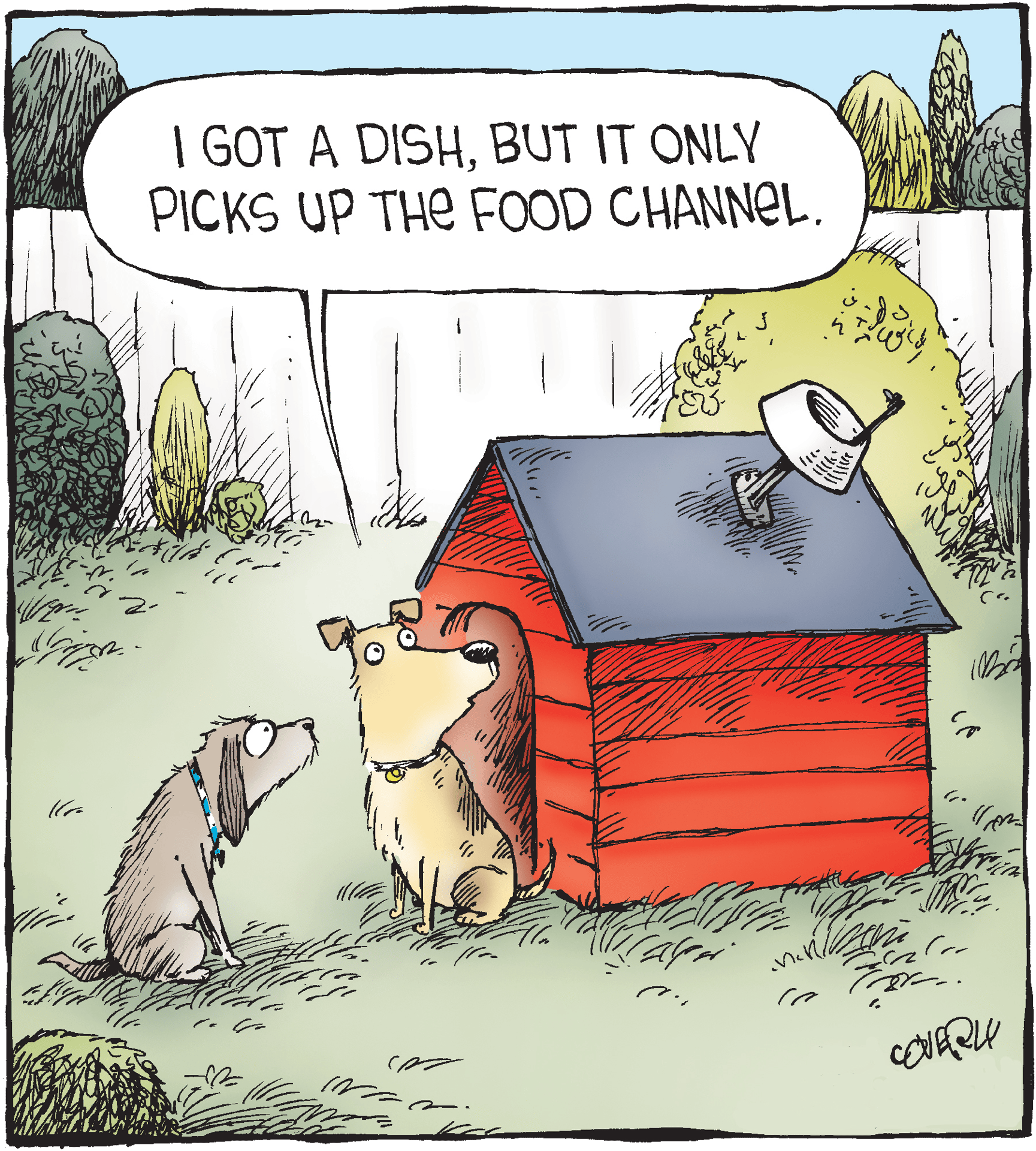
Spackle by Dave Coverly
People News
xxxxxxxxxx Some Person xxxxxxxxxxxxxxxxxx
xxxx
xxxx

Dick Bus of ATAS International, Inc. was honored with 2024’s Person of the Year award at the Lehigh Valley Commercial and Industrial Real Estate Awards.

Jim Moody joined the Ceilings and Interior Systems Construction Association as its new executive director, with the exit of Shirley Wodynski.

The Lester Group appointed Dana Cowart as its new president.
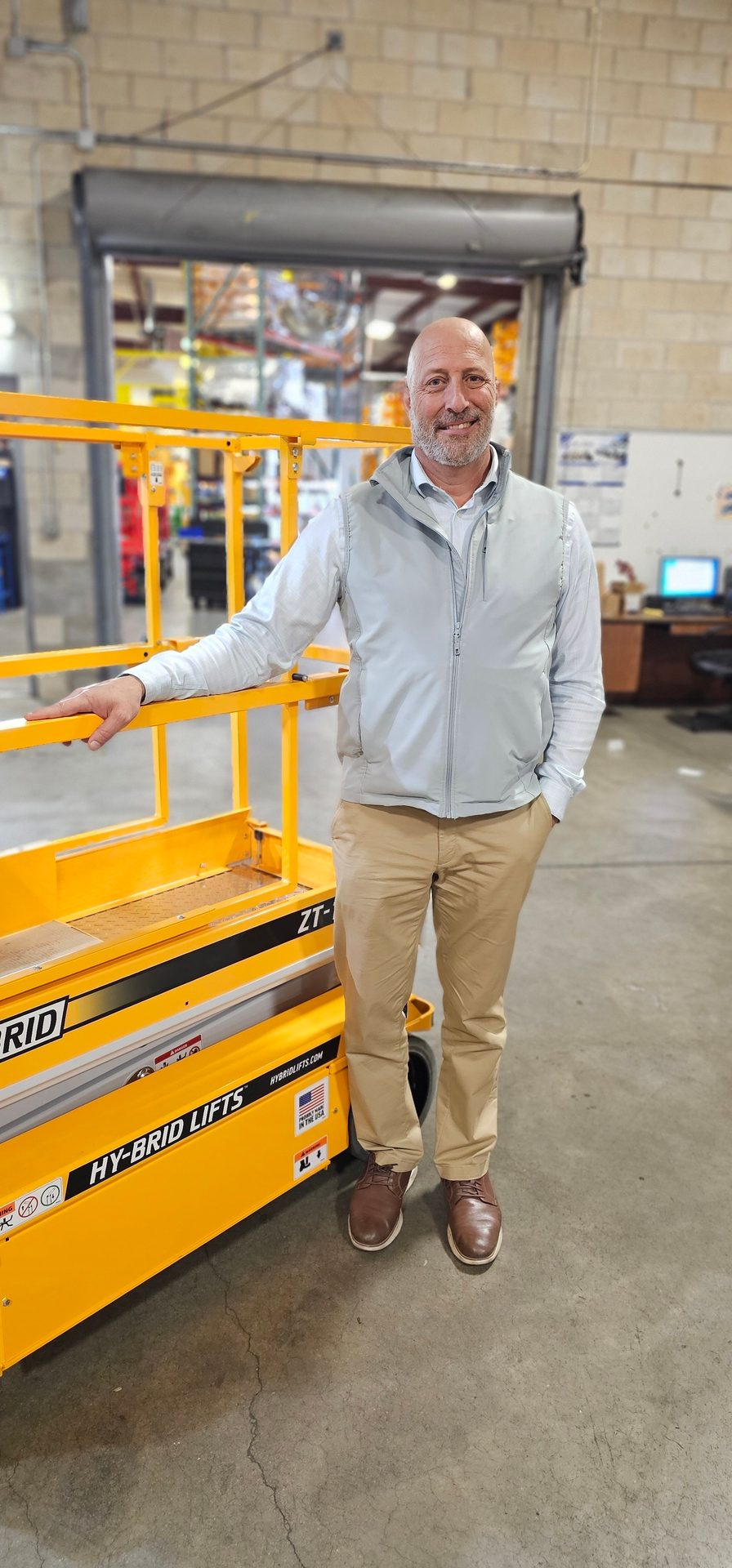
Hy-Brid Lifts hired David Porter as vice president of sales and marketing.

xxxxxxxxxx Some Person xxxxxxxxxxxxxxxxxx
xxxxxxxxxx Some Person xxxxxxxxxxxxxxxxxx
The EIFS Industry Members Association elected new officers to its board of directors for the 2025-2027 term. Jose Berlingeri was named president, while Vanessa Henley (Feldkamp), Eric Hindson and Rafaël Bao were appointed as vice president, treasurer and secretary, respectively.
Berlingeri
Heartland Acoustics & Interiors welcomed five new members to its team. Aris Matteis and Courtney Gordon were hired in the San Diego office as senior estimator and executive assistant, respectively, while Derick Garcia joined the San Antonio office as project assistant. Administrative assistant Debi Koteles-Torres and estimator Sean McCarthy are also new to the company, both in the Denver office.