For decades, fiberglass insulation has evolved quietly, and today’s products are cleaner, safer, and more versatile than many professionals still believe. By Mickey Chastain
Fiberglass Insulation: Clearing the Air
xxxxx. xxx
xxxxx
xxxxxxxxx
xxxxxxxxxxxxxxx By xxxxxxxx
h2 - xxxx
h3 - xxxx
H1 headline
Fiberglass insulation has served as a reliable solution in homes and buildings for decades. Yet many professionals still hear the same questions on job sites: Does it irritate skin? Does it contain harmful chemicals? Does it help control sound? These concerns stem from an outdated image of insulation products from years ago. The reality is that manufacturing and material science have advanced significantly, and those changes matter for the health and safety of installers, building occupants, and the spaces they use every day.
To understand why outdated impressions persist, it helps to look at the most common myths still circulating in the field.
Myth 1: Fiberglass is Itchy and Irritating
Early generations of fiberglass used coarser fibers and formaldehyde-based binders. Handling those products sometimes caused irritation, and over time that experience developed into a lasting reputation.
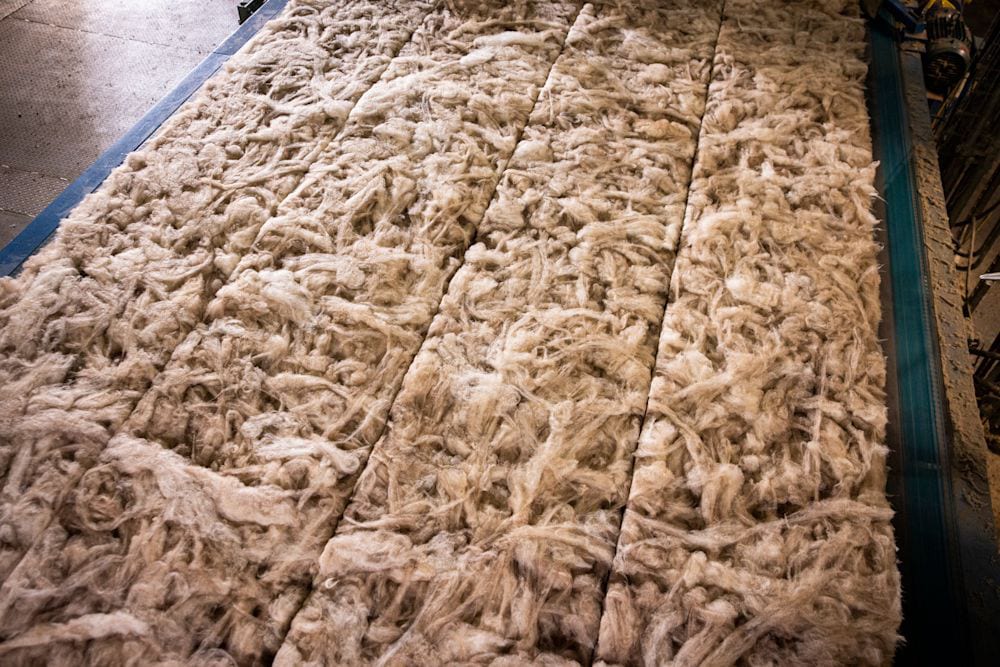
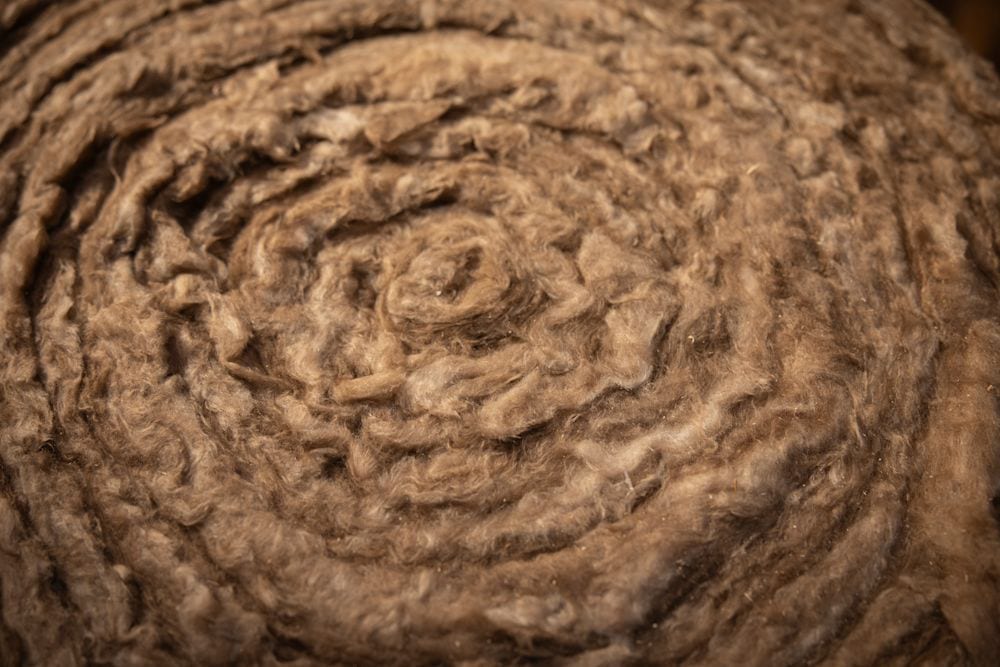
Today’s manufacturing processes produce fibers that feel smoother and more consistent. Modern bio-based binders allow insulation to hold its shape while remaining easier to work with. Installers often note that the material feels less abrasive and is easier to cut and install. While basic protective equipment remains standard practice in any trade, the overall experience has changed significantly from what many remember.
Myth 2: Fiberglass Gives Off an Unpleasant Odor
Older formaldehyde-based binders sometimes produced noticeable smells during installation. Many professionals came to expect it, and over time it became associated with the job. As a result, people often still assume that any fiberglass product carries a strong odor or chemical smell.
Binder technology has evolved. Low-odor formulas improve comfort during installation and support cleaner indoor air once the building is occupied. These improvements give contractors more flexibility when working indoors, especially on projects with tight schedules or limited ventilation. They also help ease concerns from building owners or occupants who may be sensitive to odors.
Myth 3: All Fiberglass Insulation Contains Formaldehyde
Formaldehyde was once a common ingredient in many building materials. Over time, research and regulation pushed the industry to develop alternatives, and fiberglass insulation evolved accordingly.
Knauf introduced formaldehyde-free binders more than a decade ago, and as of January 1, 2026, all its commercial and residential products are completely formaldehyde-free. This shift helps building teams meet indoor air quality standards and strengthens compliance with sustainability programs that reward safer materials, including those recognizing low-emitting systems. For building owners and design teams, it simplifies specification and helps ensure material performance aligns with project goals.
Myth 4: Fiberglass Insulation Doesn’t Help With Sound
Some believe fiberglass only contributes to thermal performance. In practice, fiberglass offers meaningful acoustical benefits by reducing noise transmission between rooms and from external sources. This makes it well suited for multifamily housing, healthcare facilities, offices, and schools where acoustic comfort affects productivity and well-being.
Designers can use a single material to address both thermal and sound control needs, meeting multiple performance targets without adding complexity to wall or ceiling assemblies. The acoustic performance of fiberglass often surprises those who associate sound control only with heavier, denser materials.
Myth 5: Fiberglass Isn’t Sustainable
As sustainability expectations continue to rise, many professionals look for materials with recycled content and clear environmental benefits.
Fiberglass insulation has a strong sustainability profile. It often includes significant recycled glass content, reducing the need for virgin raw materials. Its lightweight nature also helps lower transportation impacts. Continued improvements in binder technology are moving products toward cleaner formulations that support both environmental goals and indoor air quality, without compromising performance.
The Truth About Fiberglass
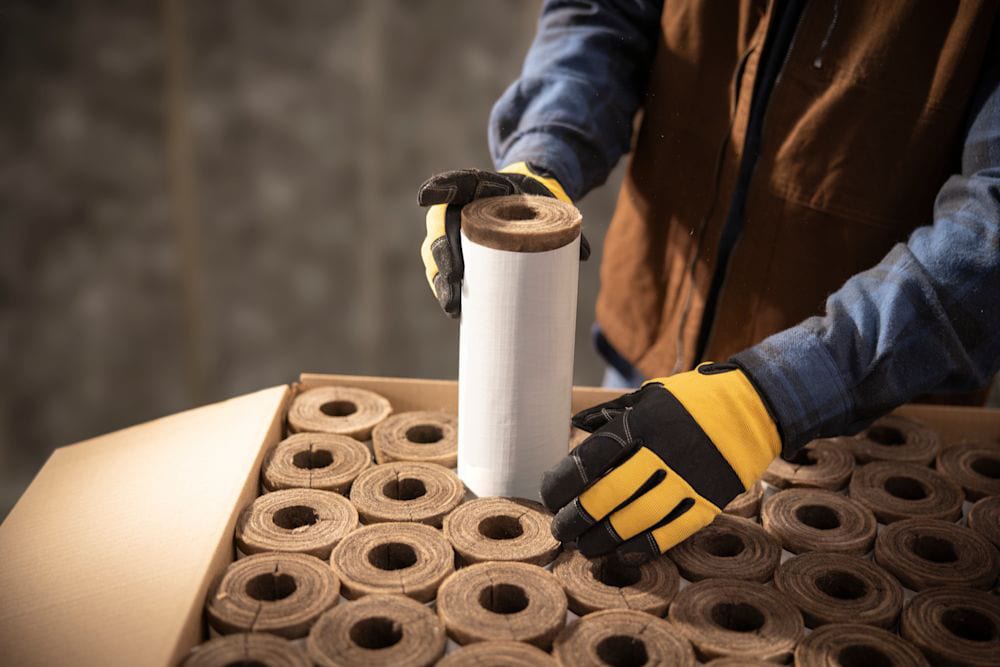
Modern fiberglass insulation features cleaner ingredients, advanced binder technology, and a strong focus on indoor air quality. Contractors familiar with older products are often surprised when they encounter today’s materials for the first time. Fibers feel softer, odors are minimal, and many products qualify for low-emitting material programs such as LEED.
By understanding how fiberglass has evolved, industry professionals can make decisions based on current facts rather than outdated impressions. That clarity leads to better material choices, healthier spaces, and stronger project outcomes.
Images courtesy of Knauf.
Mickey Chastain, a certified professional training manager is director of the Knauf Academy, where he leads technical training and support for employees and customers. A 20-year Knauf veteran, he is passionate about educating others on installation best practices, building science, and product innovation. He champions diverse learning methods—from hands-on workshops to on-demand and virtual reality training.