Once known primarily for fire resistance and durability, modern magnesium oxide (MgO) sheathing is now emerging as a reliable, system-level solution that improves thermal performance, reduces thermal bridging and supports today’s high-performance wall designs. By Tim Wilson
Rethinking Magnesium Oxide (MgO): A Fresh Look at a Proven Building Material
xxxxx. xxx
xxxxx
xxxxxxxxx
xxxxxxxxxxxxxxx By xxxxxxxx
h2 - xxxx
h3 - xxxx
H1 headline
Long valued for its inherent fire resistance and durability, magnesium oxide (MgO) is gaining renewed attention for its role in improving the thermal performance of buildings. As wall assemblies become more complex, with multiple control layers required to meet increasingly stringent performance standards, materials that contribute to system-level performance have become essential. MgO-based sheathing offers a compelling solution, combining fire resistance and moisture tolerance with the ability to reduce thermal bridging and support high-performance building envelope design.
The durability and fire resistance of magnesia-based binders have been recognized for centuries. Less widely understood is their relevance to modern thermal performance. Today’s MgO-based sheathing products combine fire resistance, dimensional stability, and moisture tolerance—attributes that make them well-suited to contemporary, energy-efficient wall designs.
In modern wall assemblies, the true value of MgO lies in its ability to support thermal continuity. Unlike traditional gypsum sheathing or wood-based panels, MgO maintains its strength and stability in exterior environments. This reliability allows it to serve as a dependable substrate for continuous insulation, air barriers, and rainscreen assemblies. As walls grow thicker and more complex to meet evolving energy codes, this stability becomes increasingly critical.

The Brooklyn Bridge is among many notable structures that use magnesium oxide. Others include the Great Wall of China and Taipei 101, the world’s tallest Platinum LEED building. Photo courtesy of Suiseiseki, CC BY-SA 3.0 via Wikimedia Commons.
Lingering skepticism around MgO in exterior sheathing applications can be traced to early failures in Denmark involving products formulated with high free-chloride content. These products were not designed for exterior use and lacked proper weather-resistive barriers, leading to moisture absorption and corrosion of adjacent metal components. Inconsistent manufacturing quality and poor formulation control further contributed to issues, including “weeping,” a phenomenon in which absorbed moisture causes free mineral salts to leach from MgO panels.
Technology Advancements Drive Reliability
The MgO products used in today’s direct-attachment systems are fundamentally different. Modern formulations limit or eliminate free chlorides, use alternative binders, and undergo significantly more rigorous testing. When paired with compatible fasteners and accessories, today’s MgO-based systems perform predictably, even in demanding climates.
The key takeaway is not that MgO is risk-free, but that not all MgO products are the same. Performance must be evaluated as part of a tested wall system. Today’s MgO boards are supported by extensive testing in the Far East, Canada, the United States and other regions to verify performance and safety. Relevant codes and standards include:
- Mildew and Mold: Resistance verified under ASTM C1338
- Fire Safety: ASTM E84 testing showing no flame spread or smoke development
- Water Resistance: ASTM E331 compliance when used with a weather-resistive barrier
- Fastener Strength: ASTM D1761 testing for fastener withdrawal
A significant milestone for the industry is the introduction of ICC 1125: Standard for Classification of Magnesium Oxide Board and Construction, which helps designers feel confident about product consistency among compliant manufacturers.
High-quality MgO products typically feature low- or no-free-chloride formulations to reduce hygroscopic behavior and corrosion potential, and they are engineered specifically for exterior exposure. Consistency in installation is equally important. Boards with tight dimensional tolerances and predictable fastening behavior reduce gaps and misalignment, limiting air leakage and supporting thermal continuity.
Another major advancement is the shift toward systemized design. Leading manufacturers now offer tested wall assemblies, fastening schedules, and detailing guidance aligned with modern building envelope practices.
Quality assurance has also improved significantly. For example, systems incorporate continuous in-plant monitoring, third-party audits, and real-time moisture and chloride testing to ensure product consistency. Some of the systems combine MgO sheathing with an ultra-low-global-warming-potential continuous insulation layer, creating a strong, durable structural panel that allows direct cladding attachment without fastening back to framing members. With a factory-applied air- and water-resistive barrier, a system can reduce both conductive and convective heat transfer, preserving maximum designed R-value. An MgO-infused sheathing also enables NFPA 285 compliance and supports up to two-hour UL fire-rated assemblies.
Accelerated testing and long-term field performance data—particularly from installations in demanding climates—have further validated MgO’s capabilities when properly specified and installed:
- Proper formulation and curing control ensure a stable crystalline structure with minimal excess salts.
- High-quality MgO boards retain strength as a cladding attachment base during prolonged moisture exposure and fastener stress cycling.
- Corrosion potential remains within acceptable limits during accelerated corrosion testing and long-term ambient exposure.
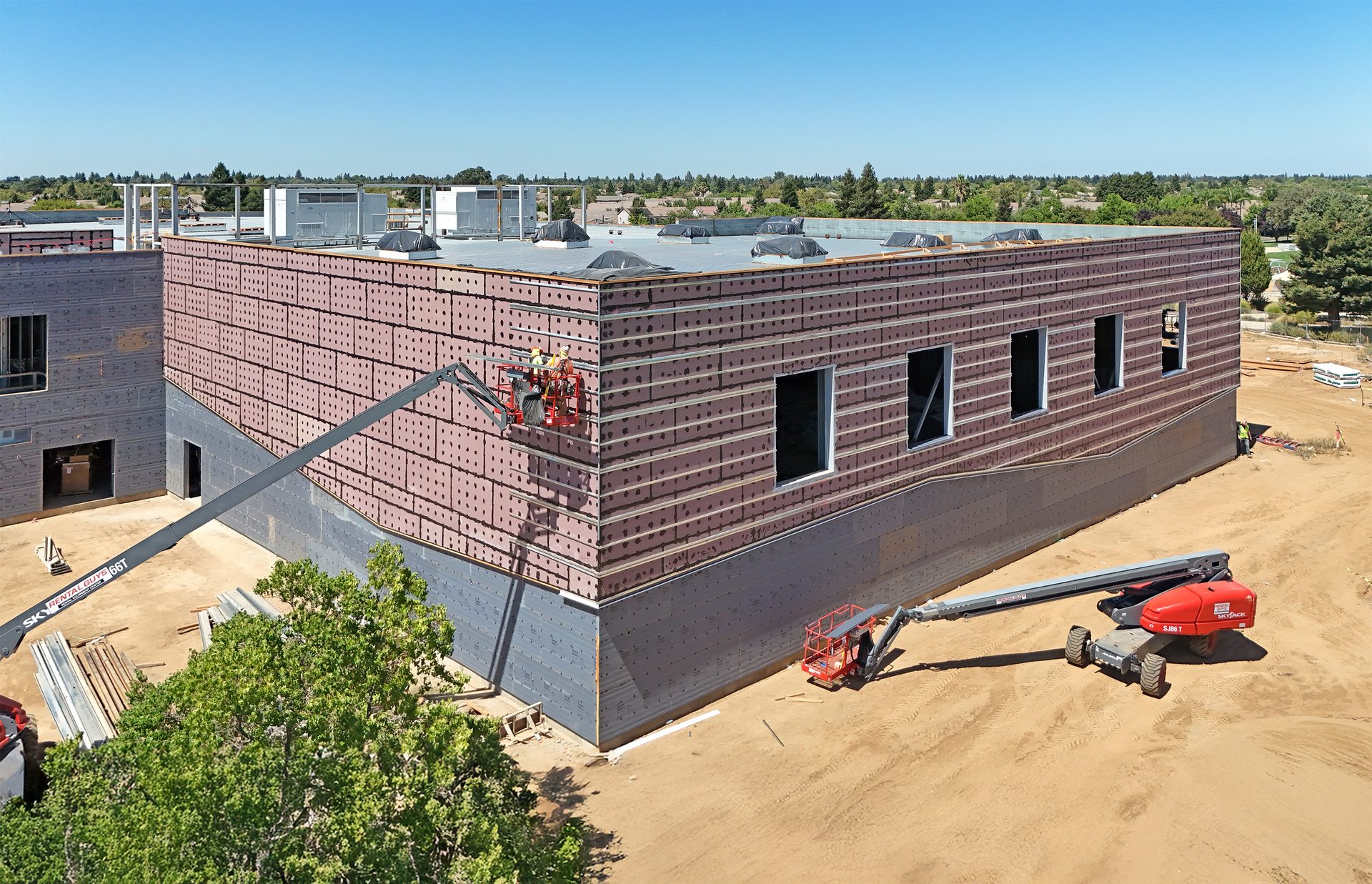
Figure 2: Dynamic real-world exposure testing (funded by DuPont) evaluated MgO boards in ventilated test enclosures located in Midland, Mich.; Tacoma, Wash.; Miami, Fla.; and Jyllinge, Denmark.
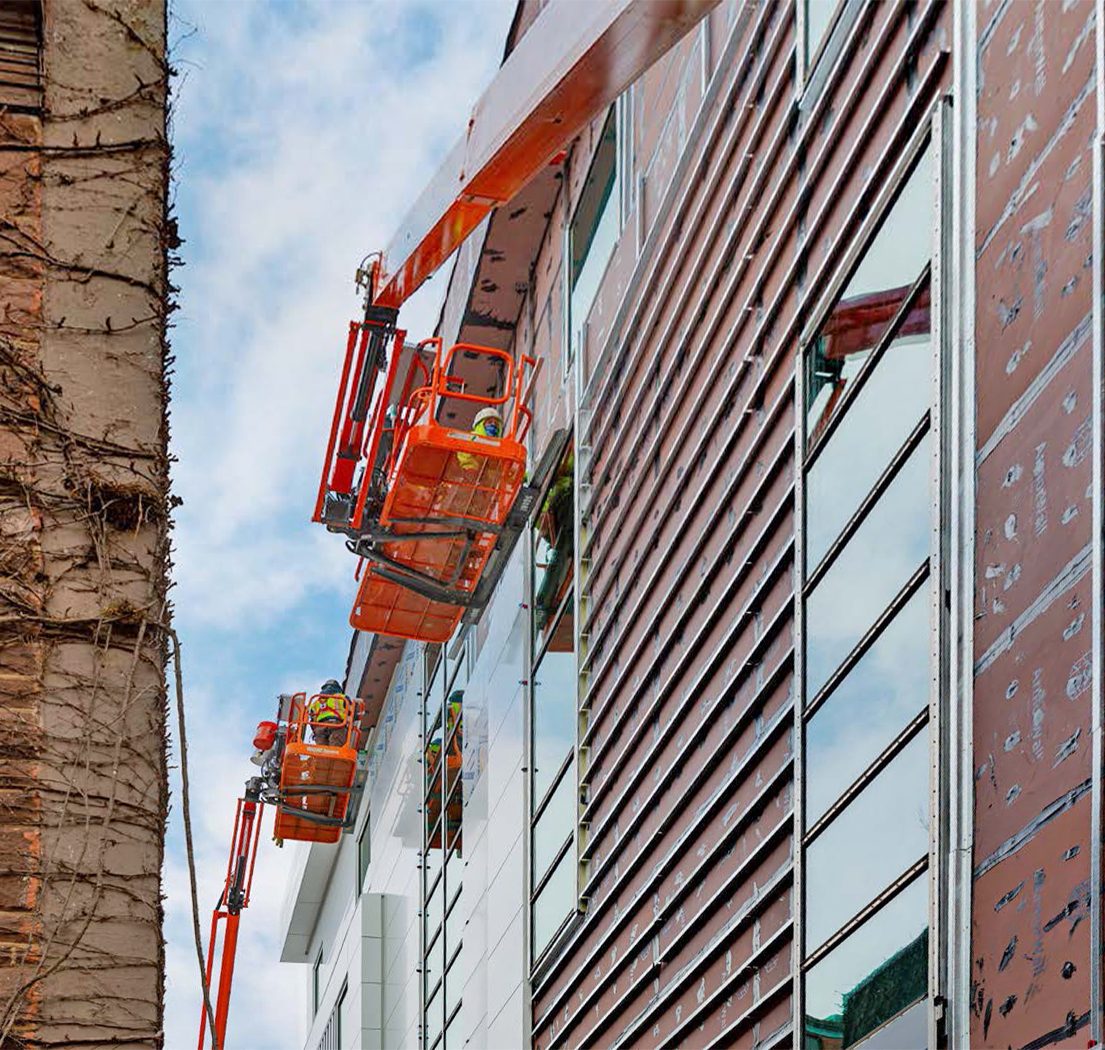
Figure 1: The ArmorWall System has undergone rigorous third-party testing to ensure a high-quality MgO sheathing product.
The Next Generation of Wall Design
By enabling continuous insulation, reducing fastener penetrations, and maintaining stability under exterior exposure, MgO-based sheathing helps wall assemblies perform closer to their design intent. When properly formulated, tested, and detailed, MgO plays a critical role in delivering high-performance, thermally efficient wall systems that meet the demands of modern construction.
Images courtesy of DuPont.
Tim Wilson is solutions development leader at DuPont.