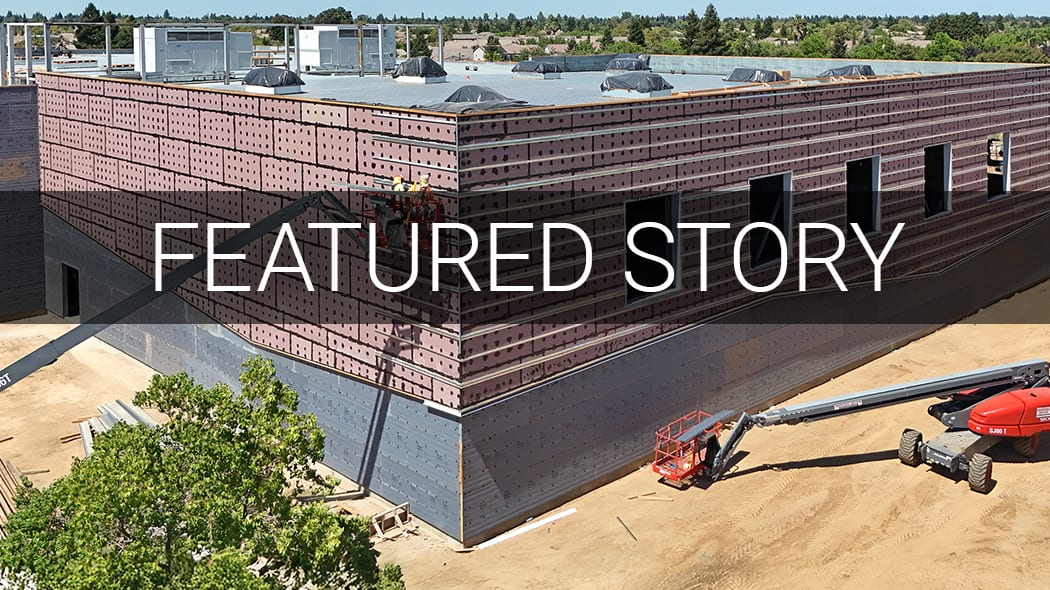
This feature explains how to choose the right rainscreen system by considering climate, cladding compatibility, building codes, energy efficiency and ventilation to ensure long-term moisture control and building durability. By Brian McKay
What to Consider When Selecting a
Rainscreen
xxxxx. xxx
xxxxx
xxxxxxxxx
xxxxxxxxxxxxxxx By xxxxxxxx
h2 - xxxx
h3 - xxxx
H1 headline
The construction industry keeps innovating with new products to improve the efficiency and durability of wall enclosures. The science to why we need to keep pushing for tighter and drier systems remains the same. Keeping out water is critical as it remains the number one cause of litigation. Better products are not just better on their own, they are better at contributing to and working with a system of building materials. Building better doesn’t necessarily mean certain products are expensive to include into the wall assembly.
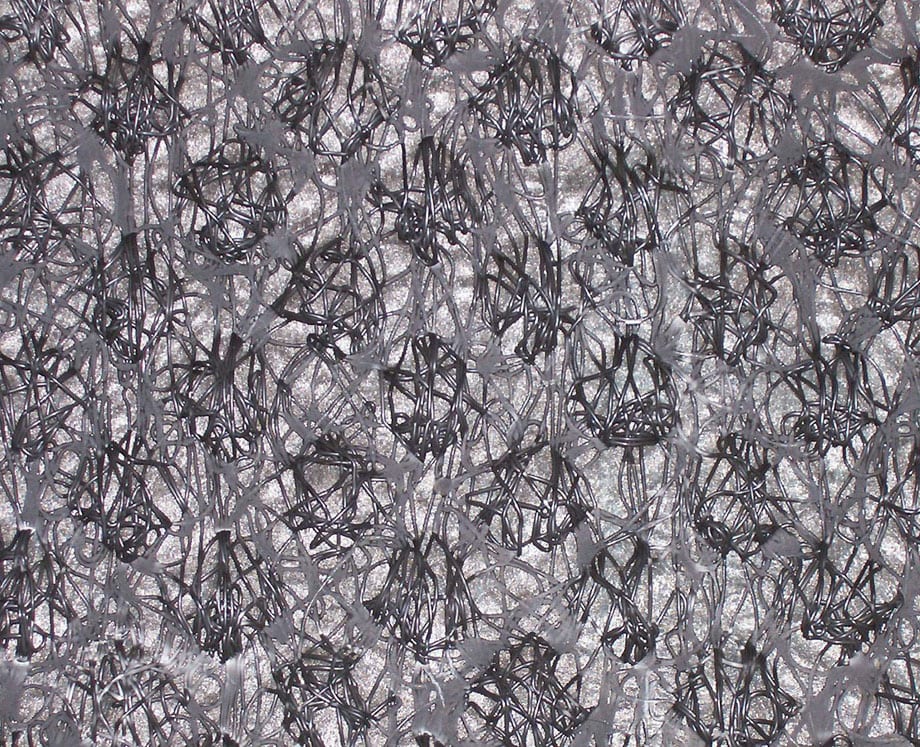
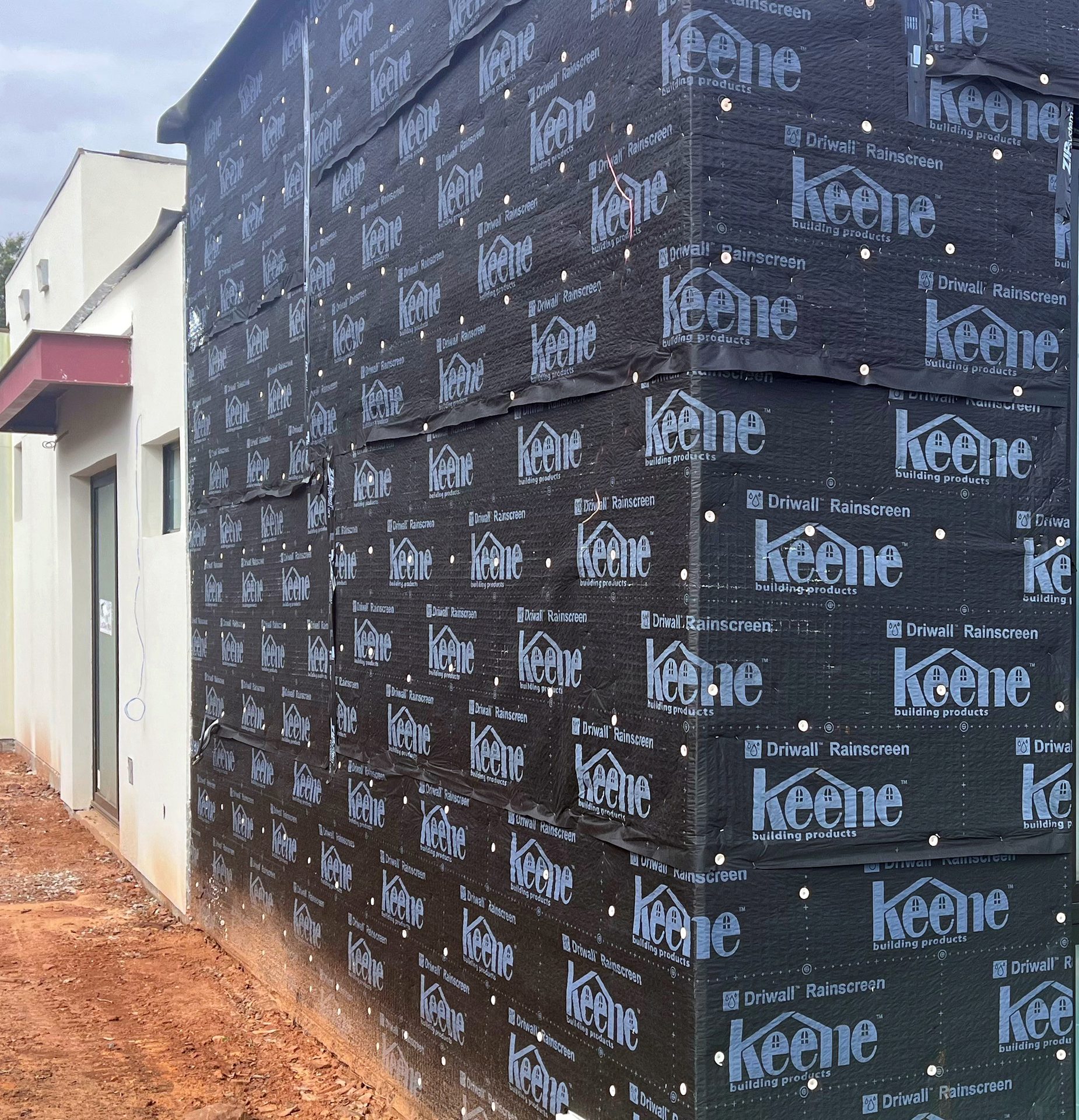
Let’s look at rainscreens. Think of a rainscreen as a drainage mat for exterior wall systems that can be used under multiple claddings. While the basic concept of a rainscreen is straightforward—providing a gap between the cladding and wall to facilitate drainage and drying—the choice of the right rainscreen system for a specific project involves various factors.
Climate Considerations
A look at the climate zone map to determine the extent of moisture and rainfall in a region is a first step. In regions with high rainfall like coastal areas or the Pacific Northwest, a solid rainscreen system is key to managing moisture effectively. Conversely, in dry climates like the Southwest, a rainscreen works to ensure proper ventilation and moisture control during sporadic rain events.
Cladding Compatibility
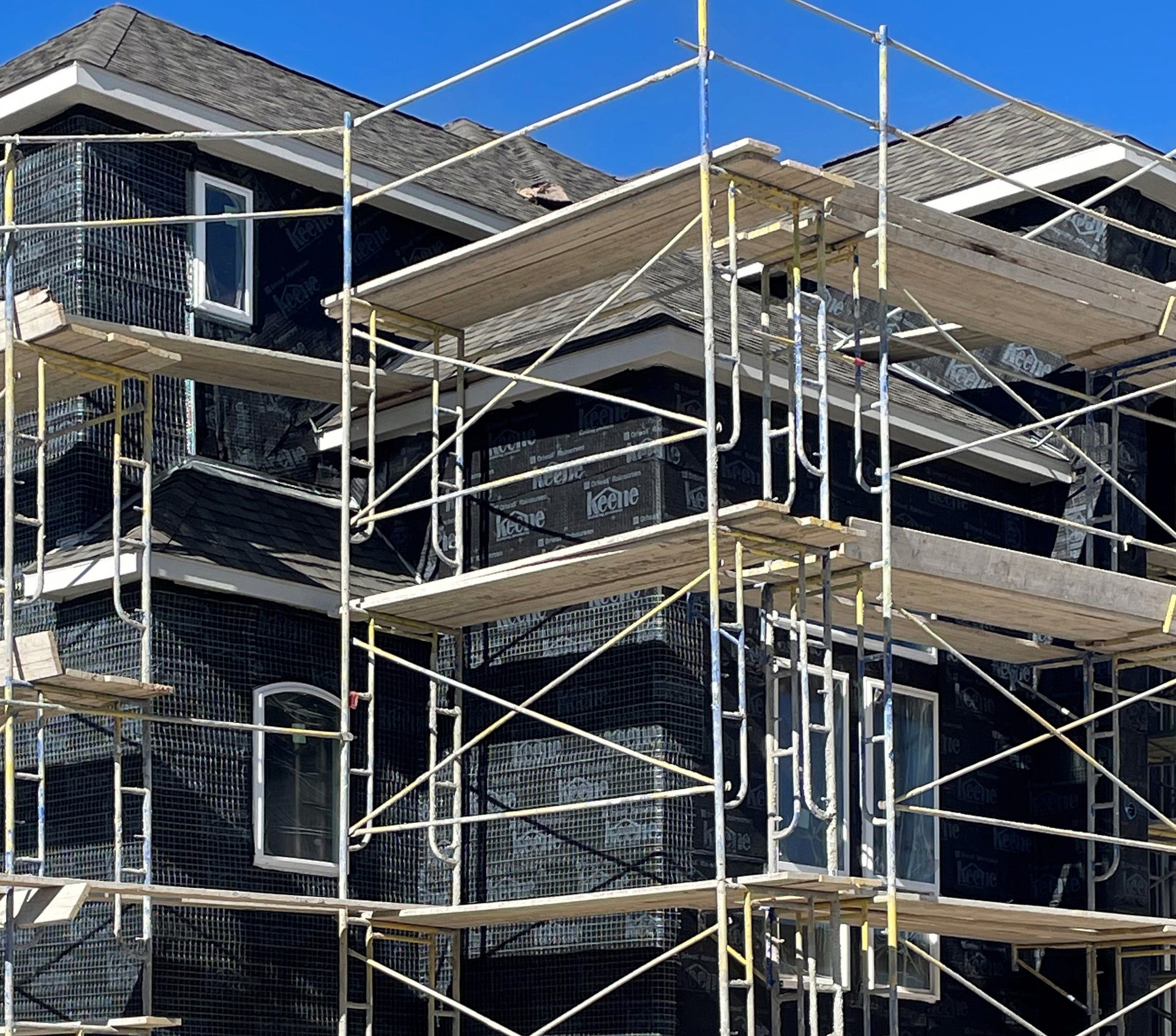
When selecting a rainscreen, it’s crucial to evaluate the cladding material and adhere to manufacturer requirements. Failure to follow these instructions could compromise performance and void warranties. Certain cladding materials may necessitate specific rainscreen types or dictate the thickness of the gap. Additionally, some cladding options come with built-in rainscreen features, simplifying the installation process.
Building Code Compliance
It’s important to adhere to local building codes to ensure the structural integrity and longevity of your building envelope. Some assemblies may require a standard fire test evaluation for combustible components, as found in NFPA 285 code requirements.
Energy Efficiency
How does a rainscreen integrate into the wall assembly to require energy efficiency measures? This will depend on the thickness of wall systems that feature exterior insulation. Adjustments may be necessary to accommodate the depth of the insulation and its implications on fastener lengths and attachment methods. Balancing energy efficiency goals with rainscreen design ensures optimal performance and durability.
Ventilation Enhancement
Ventilated rainscreens promote airflow within the wall cavity, which helps with faster drying and reducing risk of possible mold or decay. The additional airflow enhances the overall effectiveness of the rainscreen system in managing moisture and preserving the strength of the building enclosure.
By considering the factors listed above, an investment in a rainscreen can minimize callbacks associated with moisture damage. Whether you design a façade that features stucco, brick, stone veneer, wood siding or exterior insulation, the goal is for your rainscreen to allow the wall assembly to ventilate, drain, keep dry and remain durable.
Aim for a system capable of withstanding the elements for decades. Incorporating rainscreen products, builders can achieve optimal building envelope performance and manage moisture effectively.
Images courtesy of Weatherization Partners Ltd..
Brian McKay has been involved in the commercial and residential building industry since 2006. He is the Director of Marketing and Communications for Weatherization Partners Ltd., a third-generation, family-run business, and he’s a former vice-chair of the Building Enclosure Council of Dallas.